

Chapter 1 of 9
1917WHERE IT BEGAN
CAMP KOŚCIUSZKO, NIAGARA-ON-THE-LAKE, 1917–19
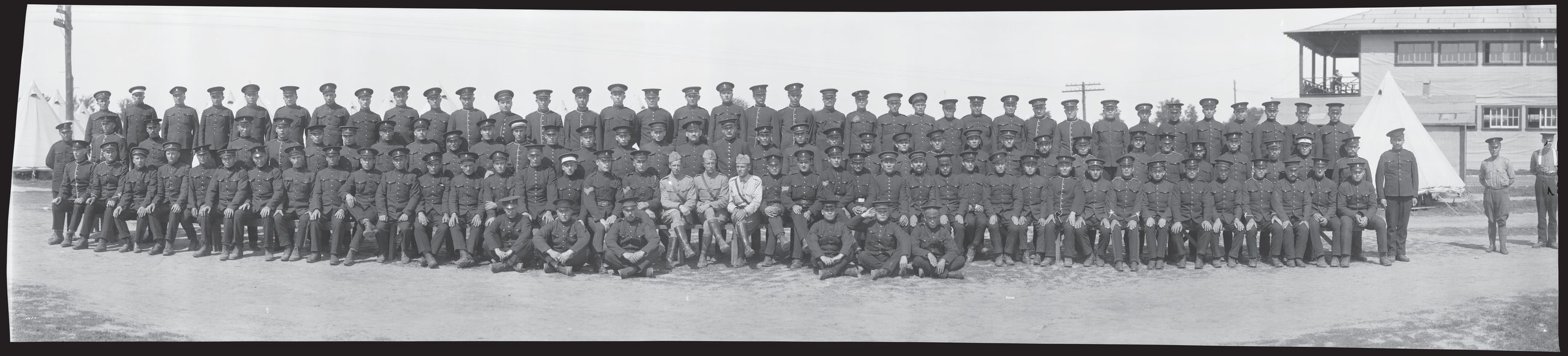
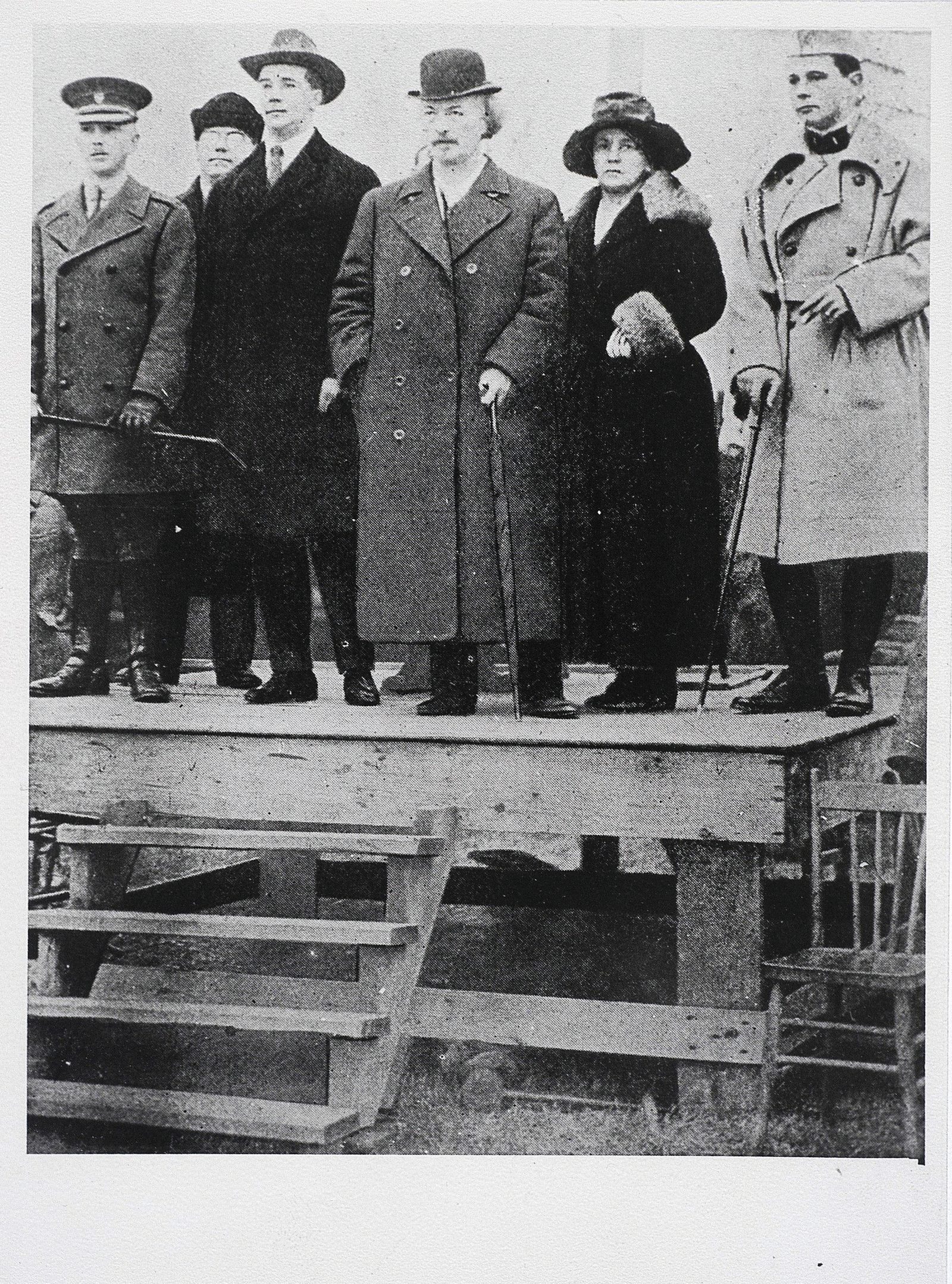
In 1917, Canada agreed to host and command a training camp at Niagara-on-the-Lake for volunteers joining Haller's Blue Army — the Polish force forming in France to fight for an independent Poland. Ignacy Jan Paderewski secured backing from Canada, France, and the United States to create the camp, while the Polish Falcons and other diaspora organizations recruited volunteers across North America.
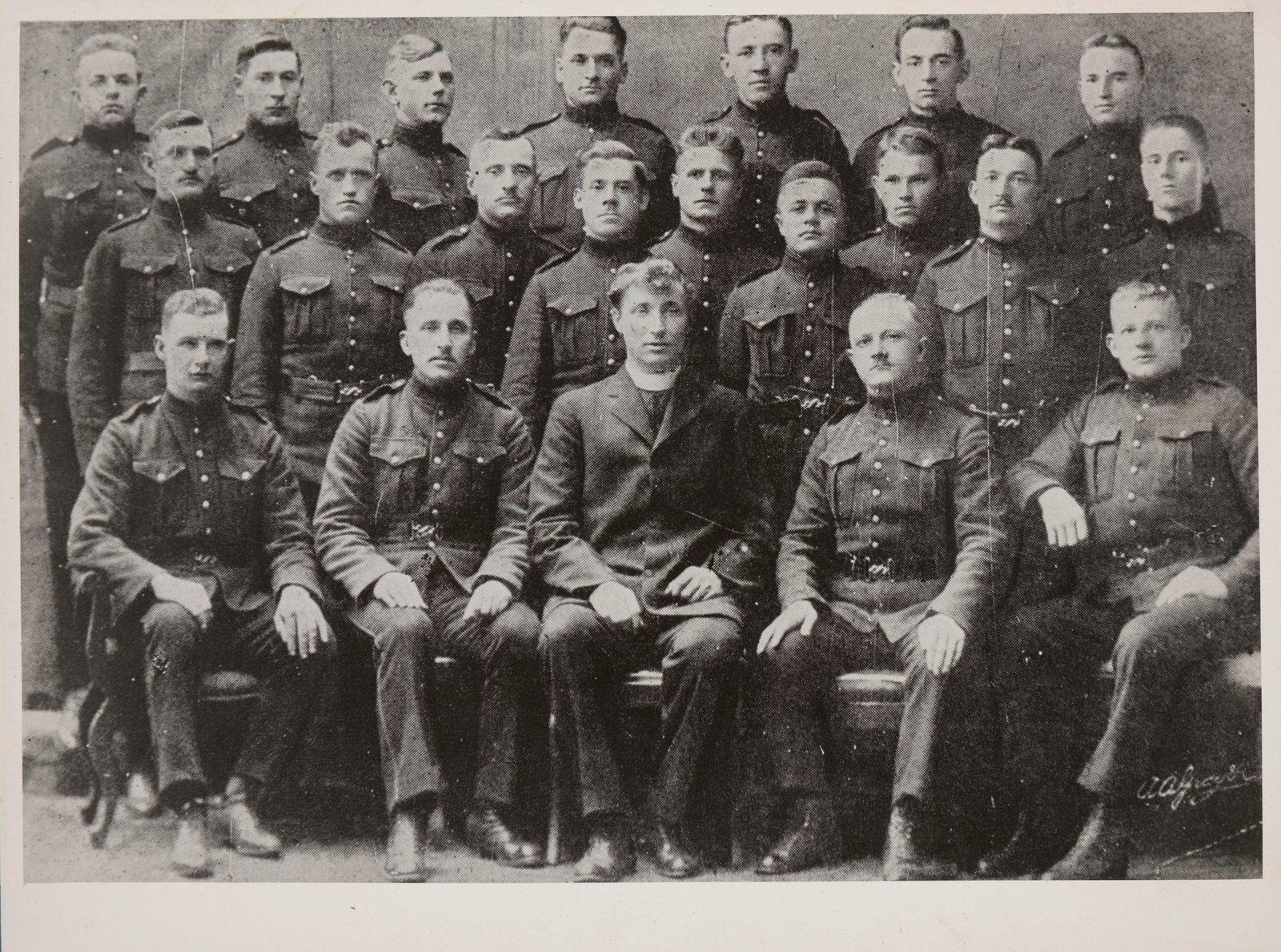
Command fell to Canadian LCol. Arthur D'Orr LePan, whose staff ran the camp alongside Polish officers trained at the School of Infantry in Toronto.
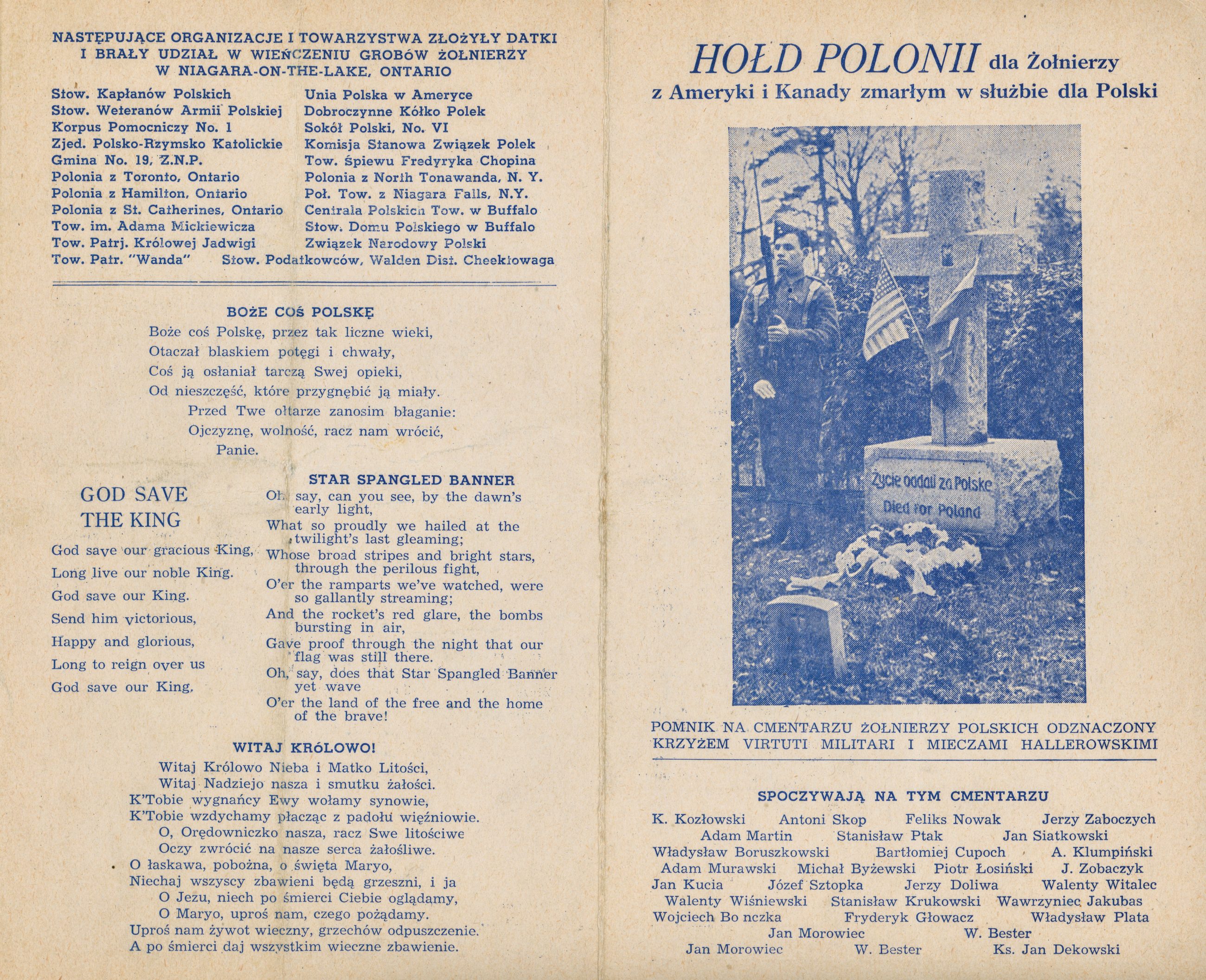
Together they received 22,395 recruits and sent 20,720 on draft to France. Although most came from the United States, Canada provided the territory, command, and training.
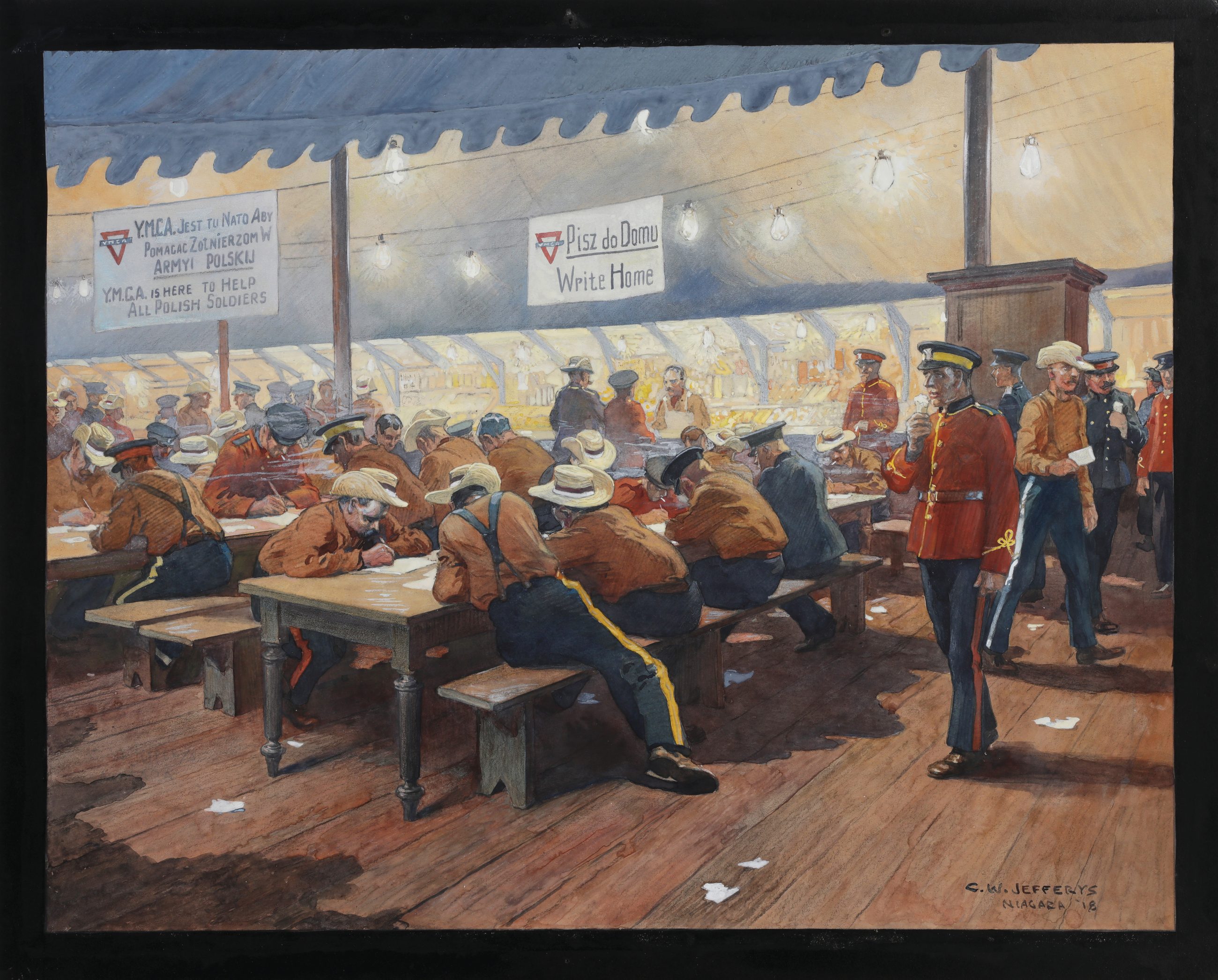
These soldiers fought for Poland's independence and helped shape the borders of the newborn Second Republic. Many joined the 18th Infantry Division — the “Iron Division” — which took part in defending Warsaw in 1920. It was the first chapter of a century-long partnership, written from the very beginning by both nations together.
Chapter 2 of 9
1942BROTHERS AT SEA
DIEPPE, 1942
On 19 August 1942, the Polish destroyer ORP Ślązak took part in the Dieppe Raid, escorting landing craft toward Blue Beach, where the Royal Regiment of Canada lay trapped beneath the cliffs. Under the command of LCdr. Romuald Nałęcz-Tymiński, she fought for twenty-two hours, fifteen of them under direct fire: shelling German shore batteries, beating off thirty air attacks, and shooting down four Luftwaffe aircraft.
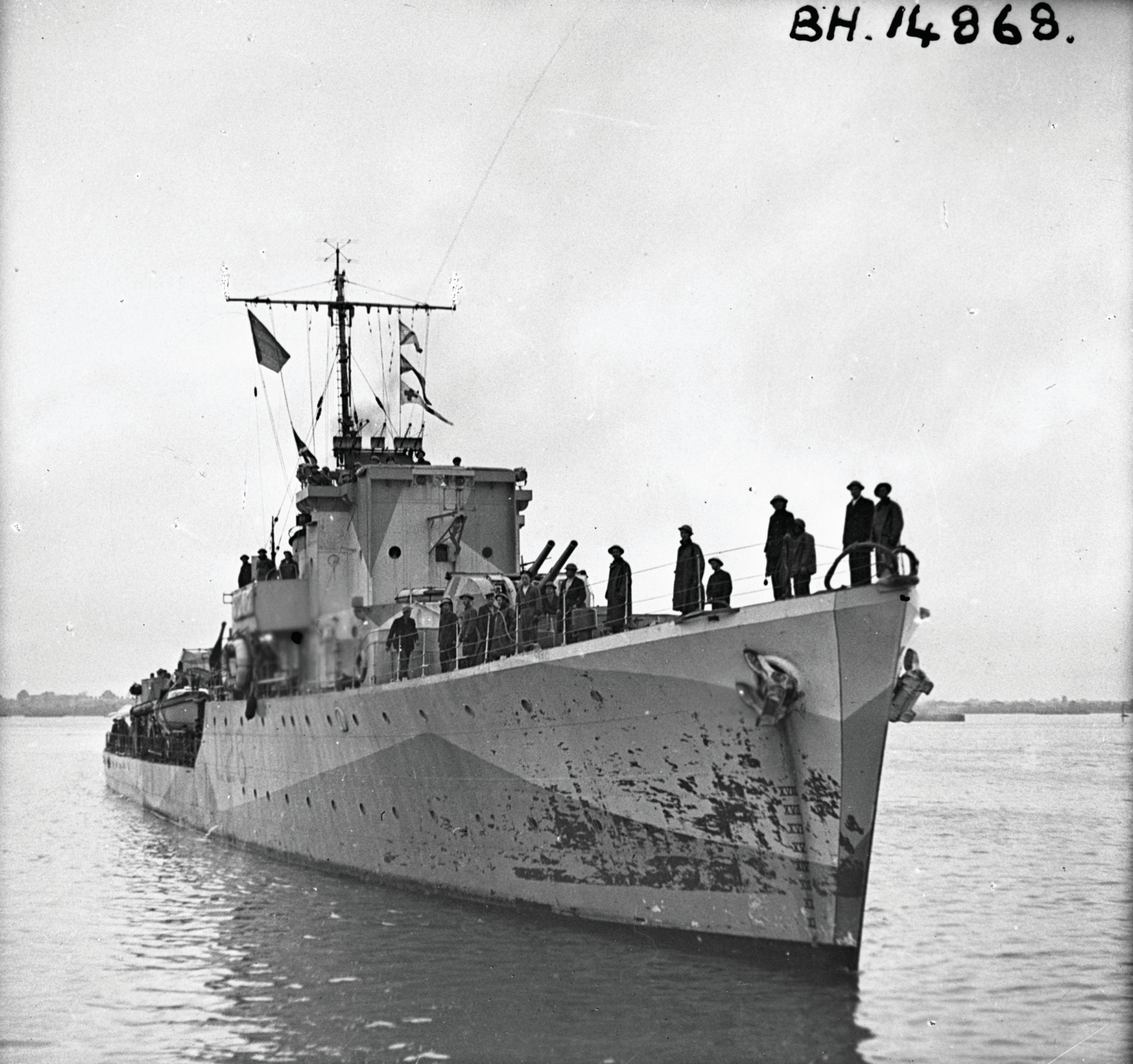
Nałęcz-Tymiński brought Ślązak in close to the beach and refused to leave the battle until he had picked up every Canadian he could. In total, he saved 85 men, 32 of them from the Royal Regiment of Canada. He was awarded Britain's Distinguished Service Cross. Decades later he settled in Toronto, where he was made an honorary member of the Royal Regiment of Canada, the regiment he had helped save.
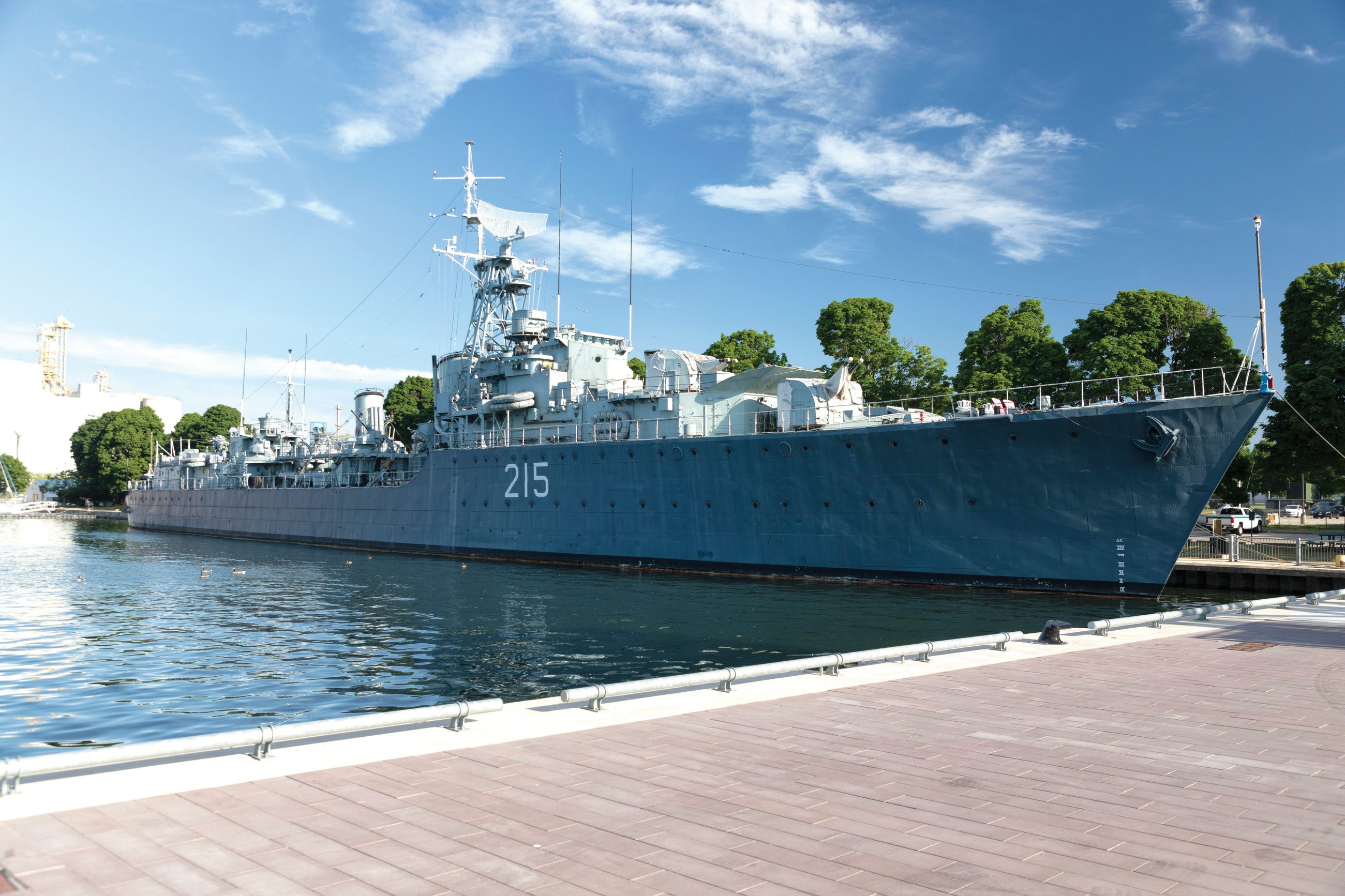
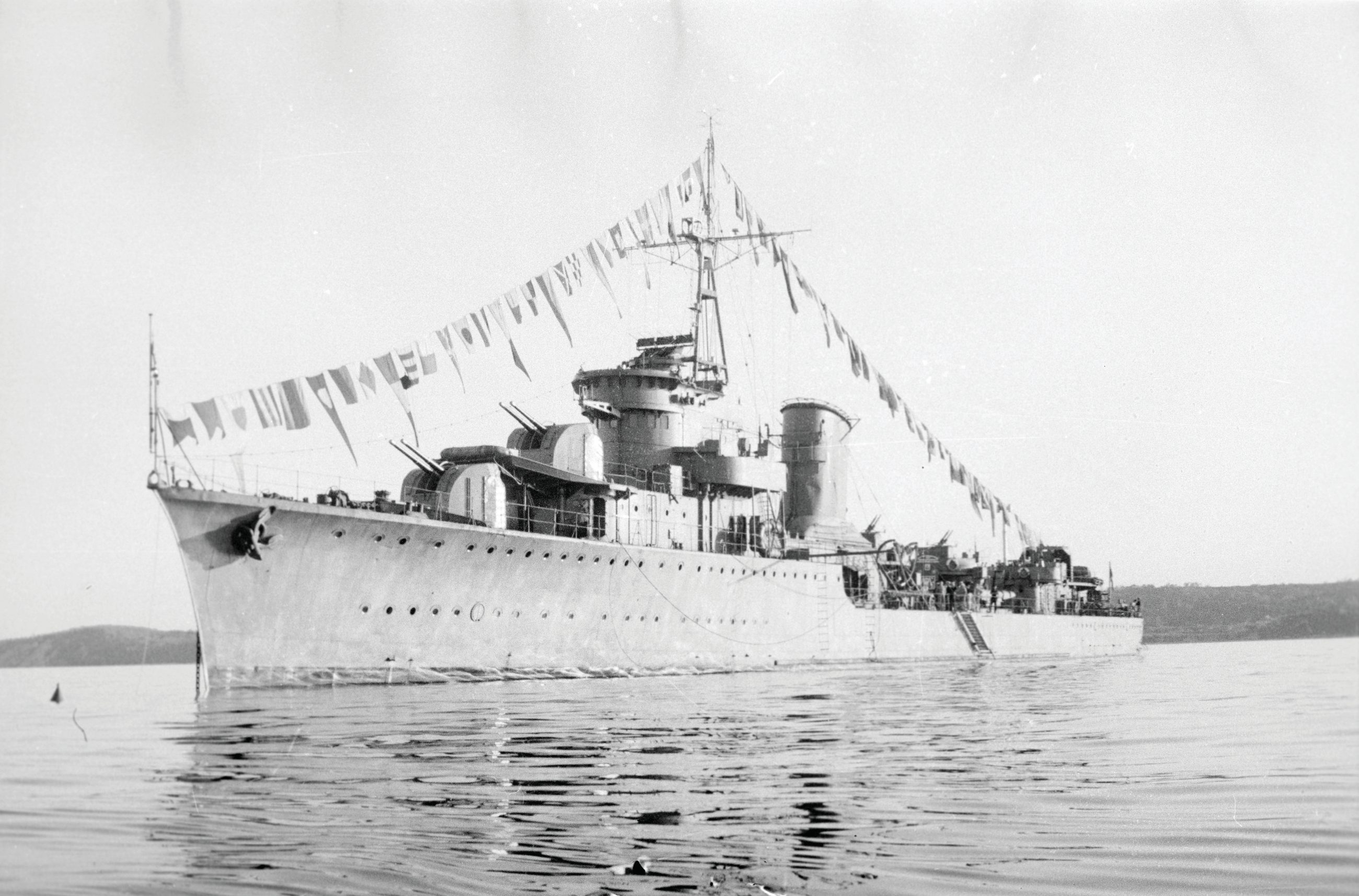
In 1944, the Canadian destroyer HMCS Haida and the ORP Błyskawica served side by side in the 10th Destroyer Flotilla, hunting German ships in the English Channel ahead of D-Day. Both ships survive today as museum vessels: Haida in Hamilton, Ontario and Błyskawica in Gdynia. In June 2006, the ships were officially twinned and now continue as living monuments to the Canada-Poland alliance.
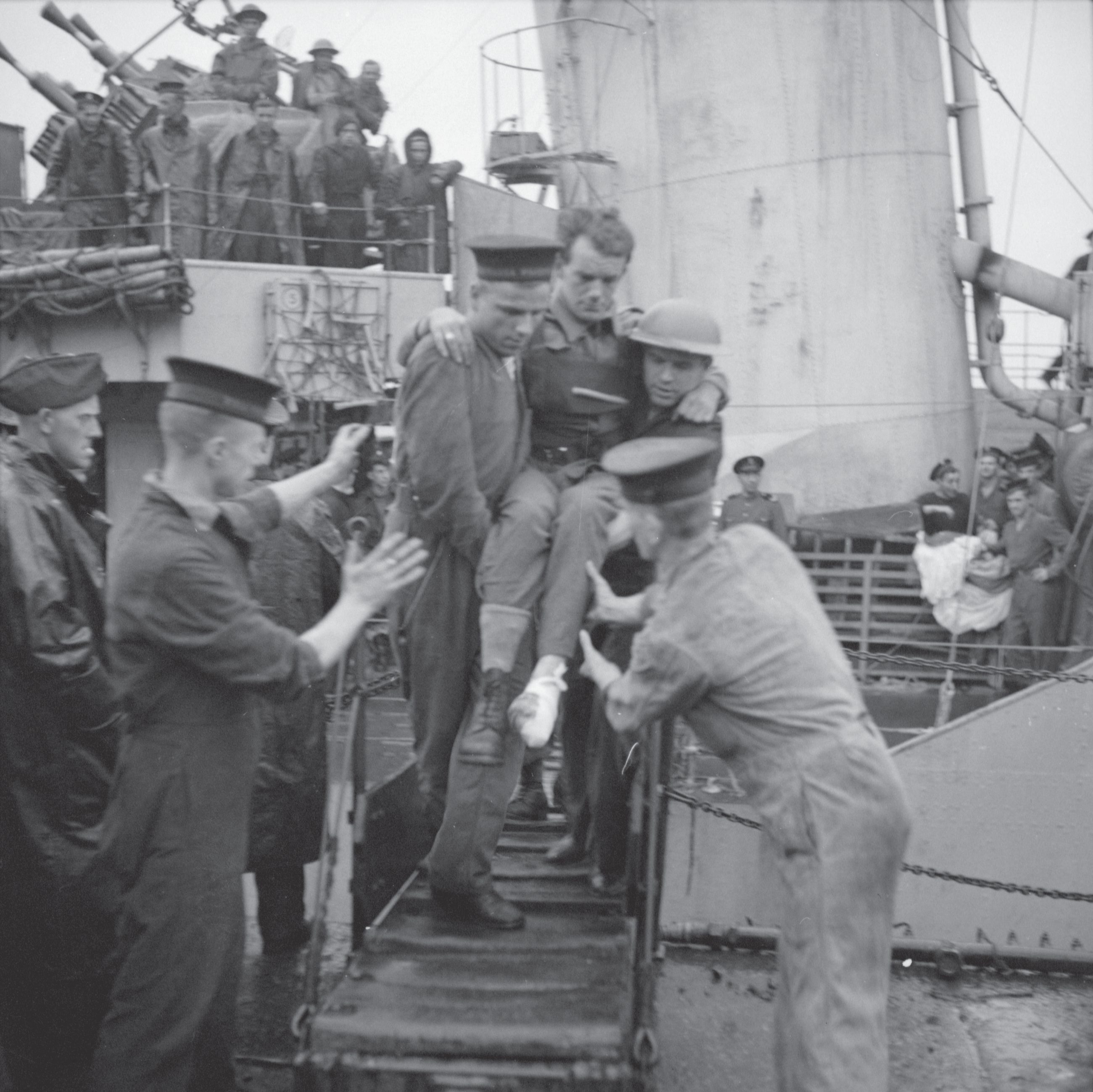
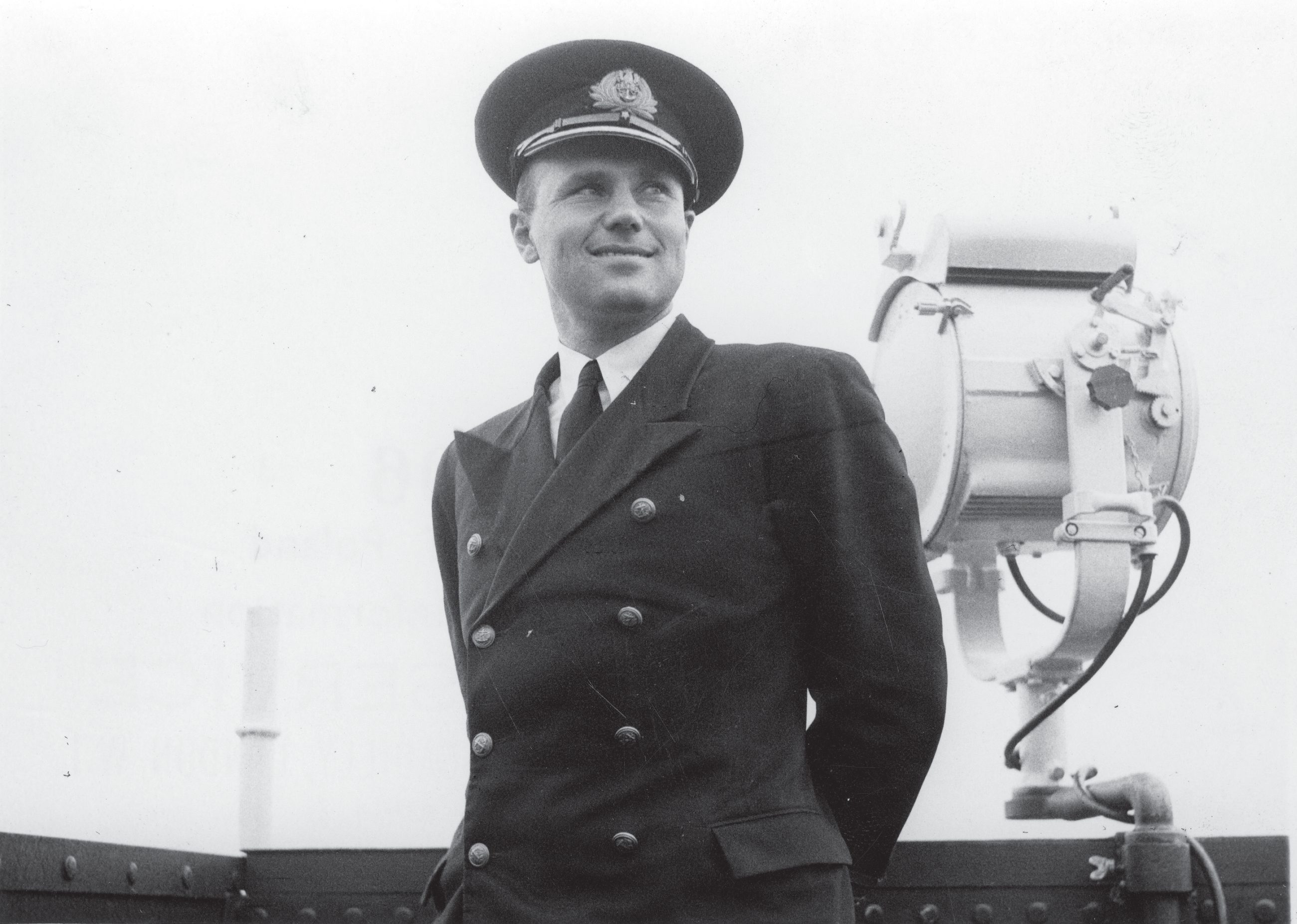
“Nobody did more than he did to get the Canadians out. He didn't want to be a hero, but he certainly was in Dieppe.”
Chapter 3 of 9
BROTHERS IN THE AIR
303 SQUADRON AND THE AIRLIFT TO WARSAW
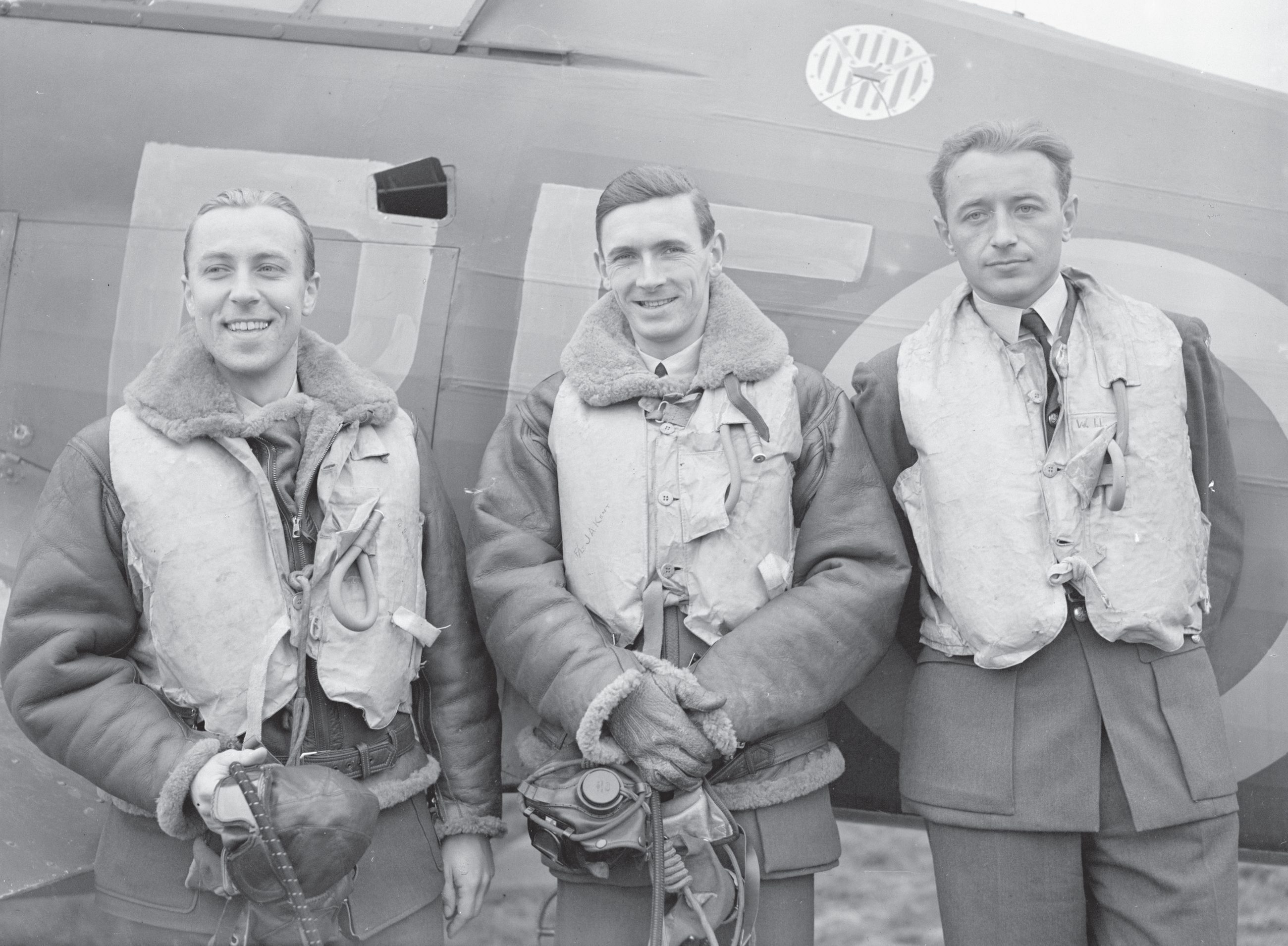
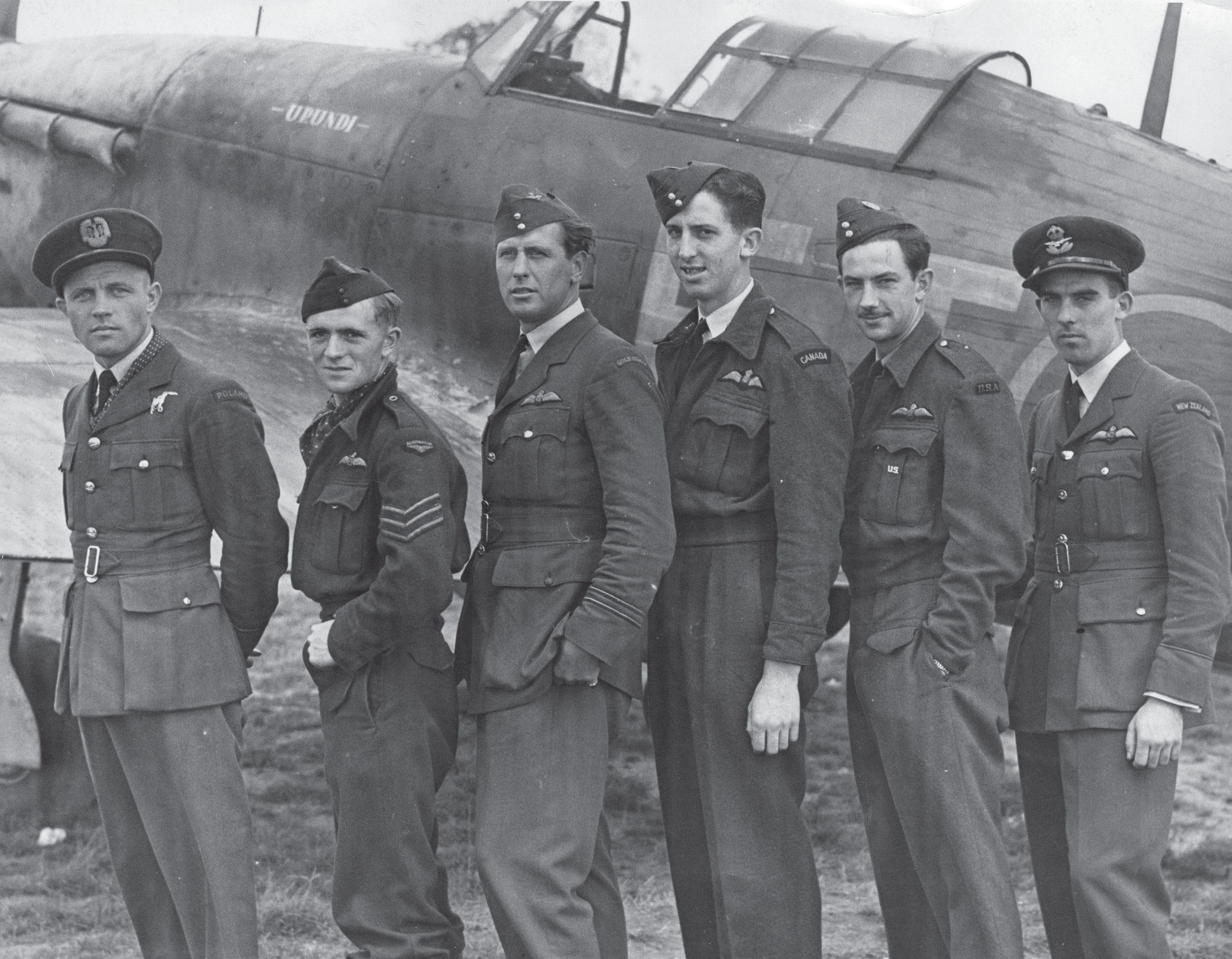
During the Battle of Britain, 303 Squadron's 'A' Flight was commanded by a Canadian — F/L John Kent, whom his Polish pilots nicknamed “Kentowski.”
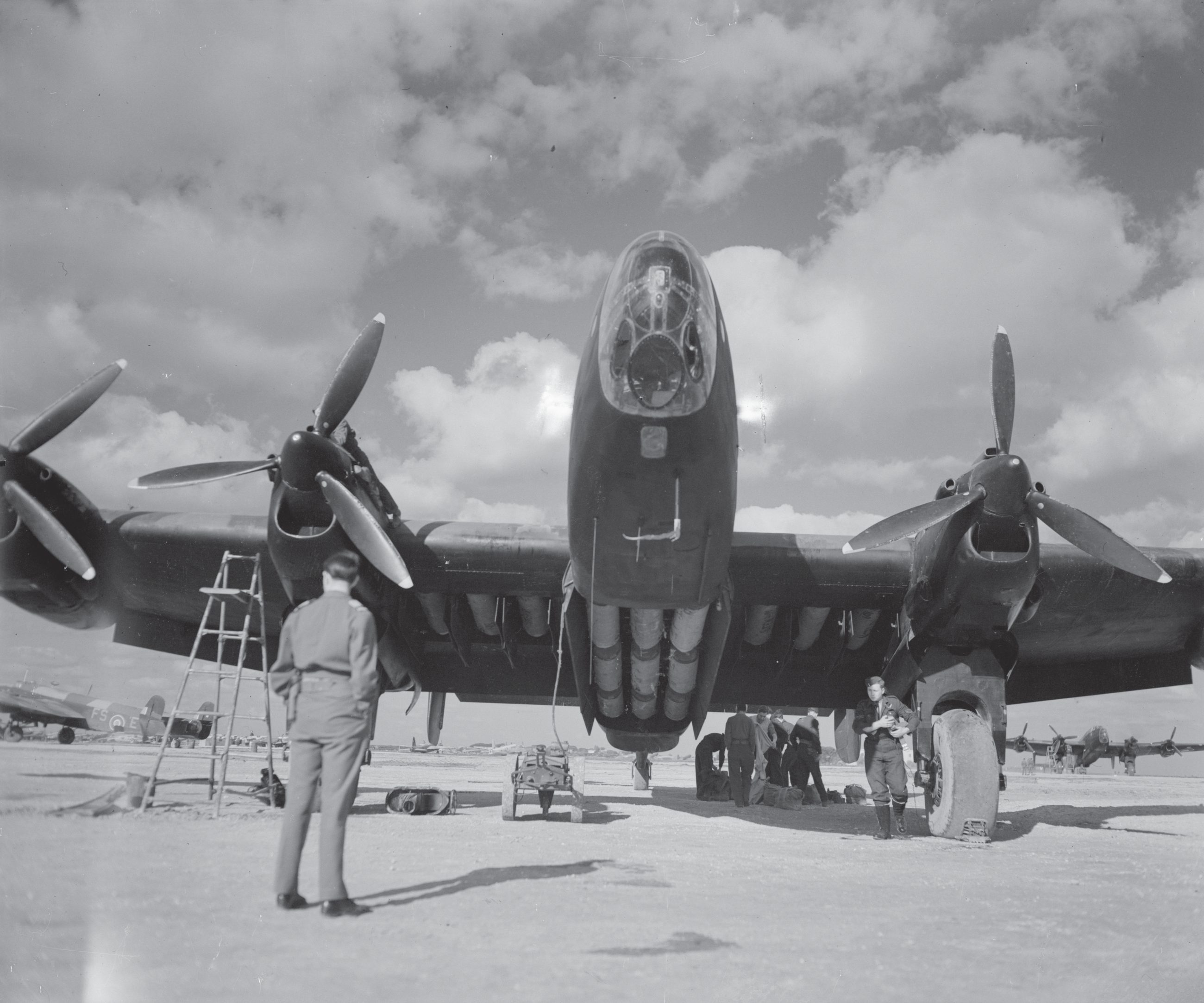
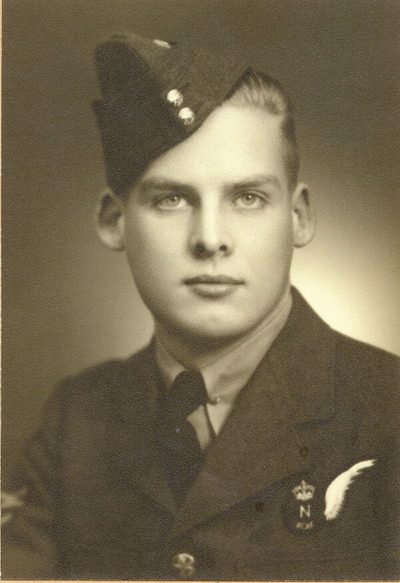
Four years later, during the Warsaw Uprising, Canadian crews flew the Warsaw airlift: twelve-hour unescorted runs from Italy to drop supplies to the Home Army. Losses ran to roughly one aircraft for every ton delivered. Halifax JP276 “A” of 148 Squadron was shot down on the way home from its drop, near Dąbrowa Tarnowska. Five of the seven men aboard were Canadians — among them the navigator, P/O George Alfred Chapman of Toronto, aged 24.
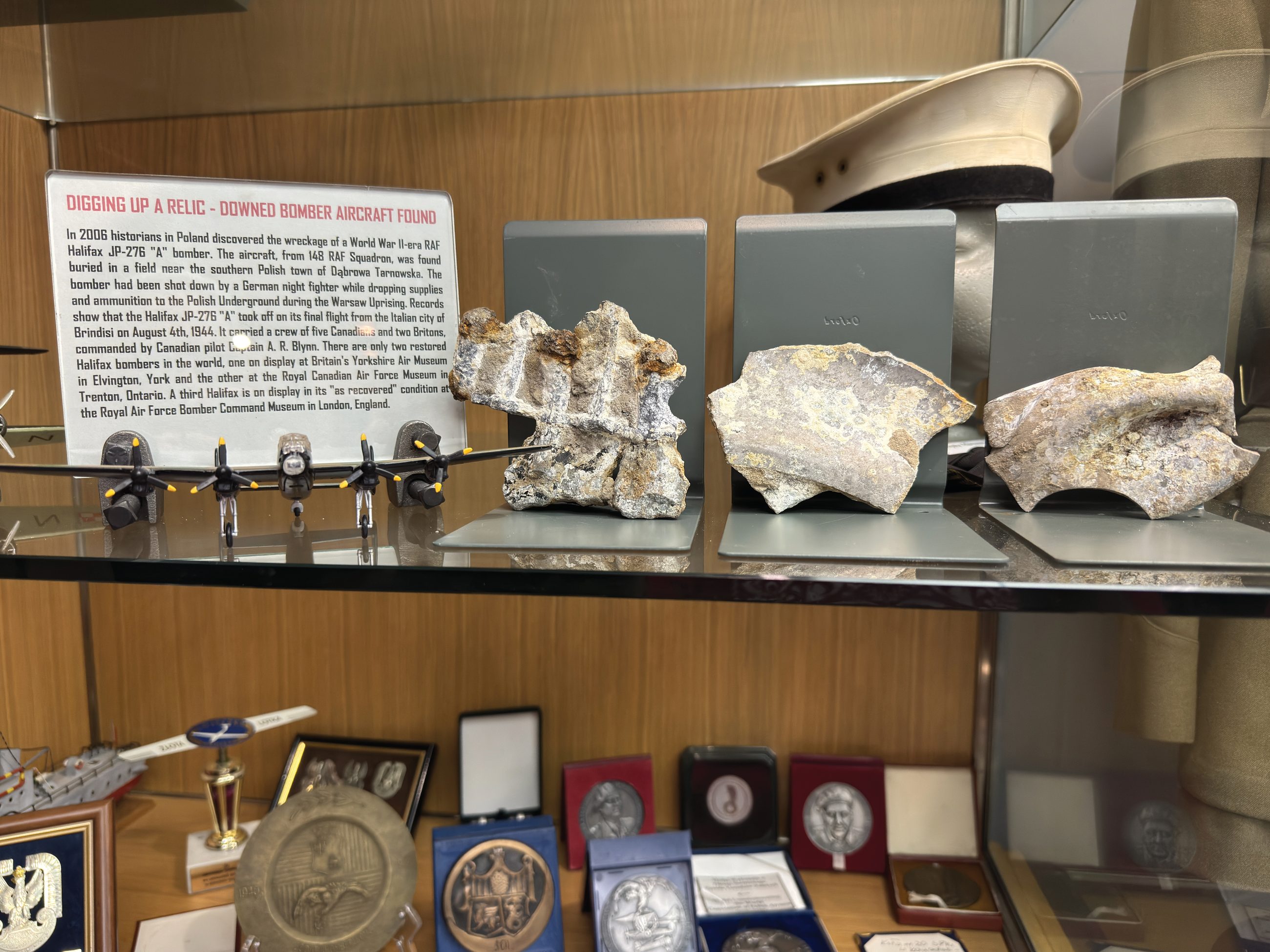
Polish villagers buried the crew in secret to hide them from the Germans. In 2007 the men were laid to rest with military honours in Kraków. Fragments of their aircraft are held today by SPK Branch 20 in Toronto.
Chapter 4 of 9
1941–1944BROTHERS ON LAND
NORMANDY AND THE FALAISE GAP, 1944
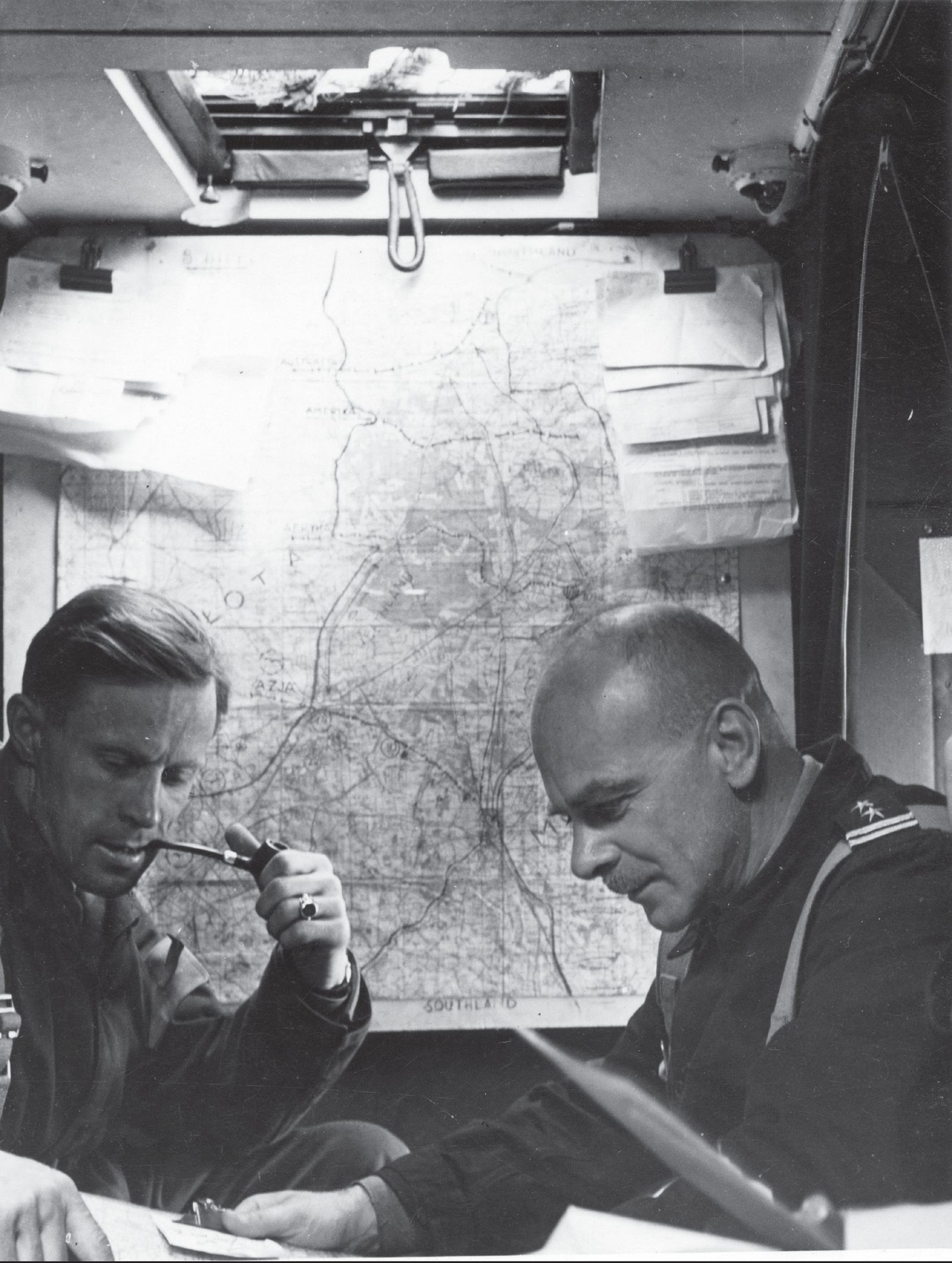
Gen Stanisław Maczek's 1st Polish Armoured Division landed in Normandy at the beginning of August 1944 with some 16,000 men and 380 tanks, fighting as part of 2nd Canadian Corps. Together, Polish and Canadian forces helped close the Falaise Gap, trapping the retreating German Seventh Army — one of the decisive actions of the campaign. On 21 August, soldiers of the 4th Canadian Armoured Division broke through to relieve Polish troops who had been cut off for days on Mont Ormel, ground the Poles came to call “the Mace” for the terrible cost of holding it.
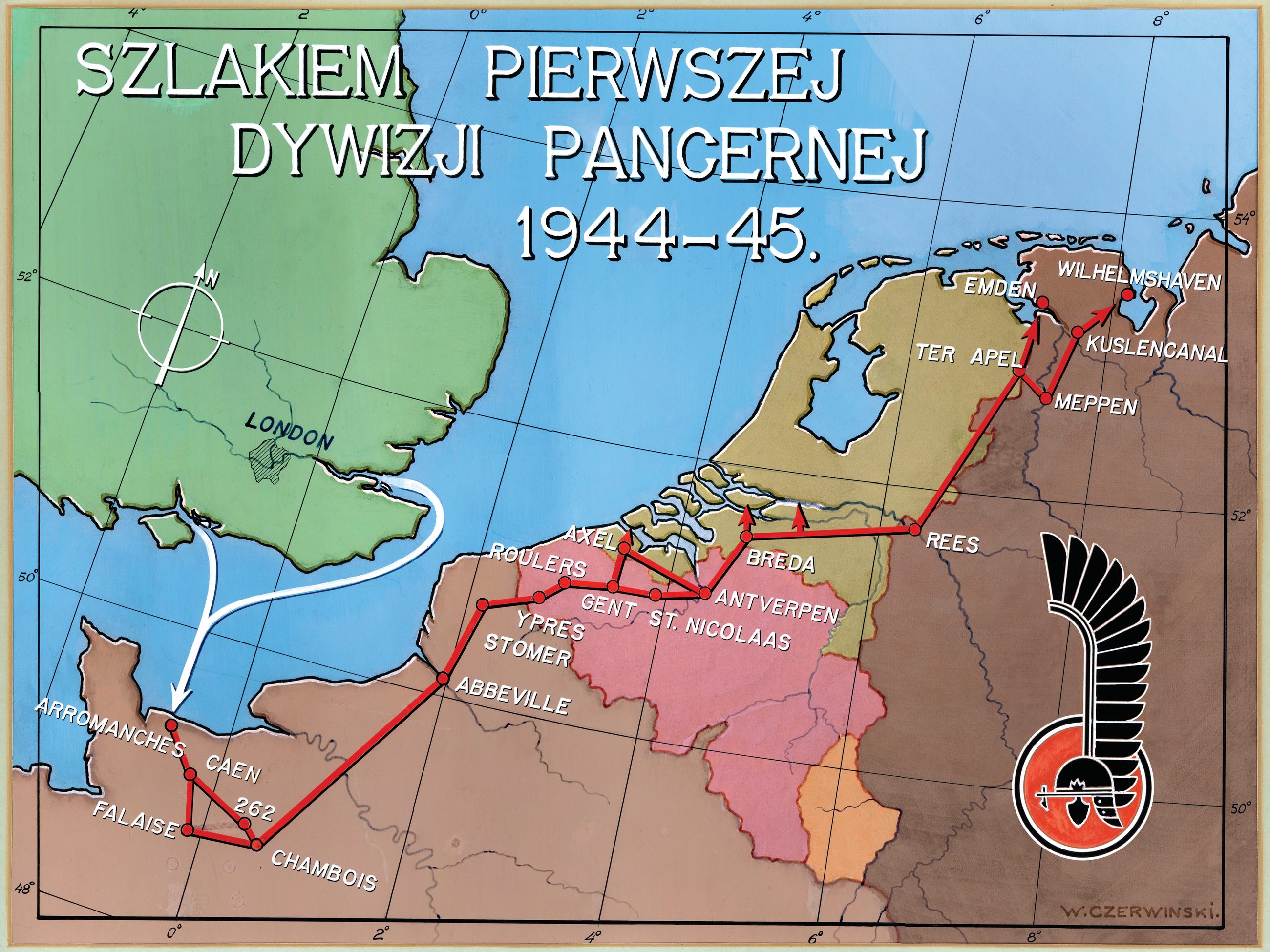
Maczek's division did not stop there. It fought north through France and Belgium into the Netherlands, liberating Breda in October 1944 without the loss of a single civilian life. The city made General Maczek an honorary citizen. He is buried there, among his soldiers.
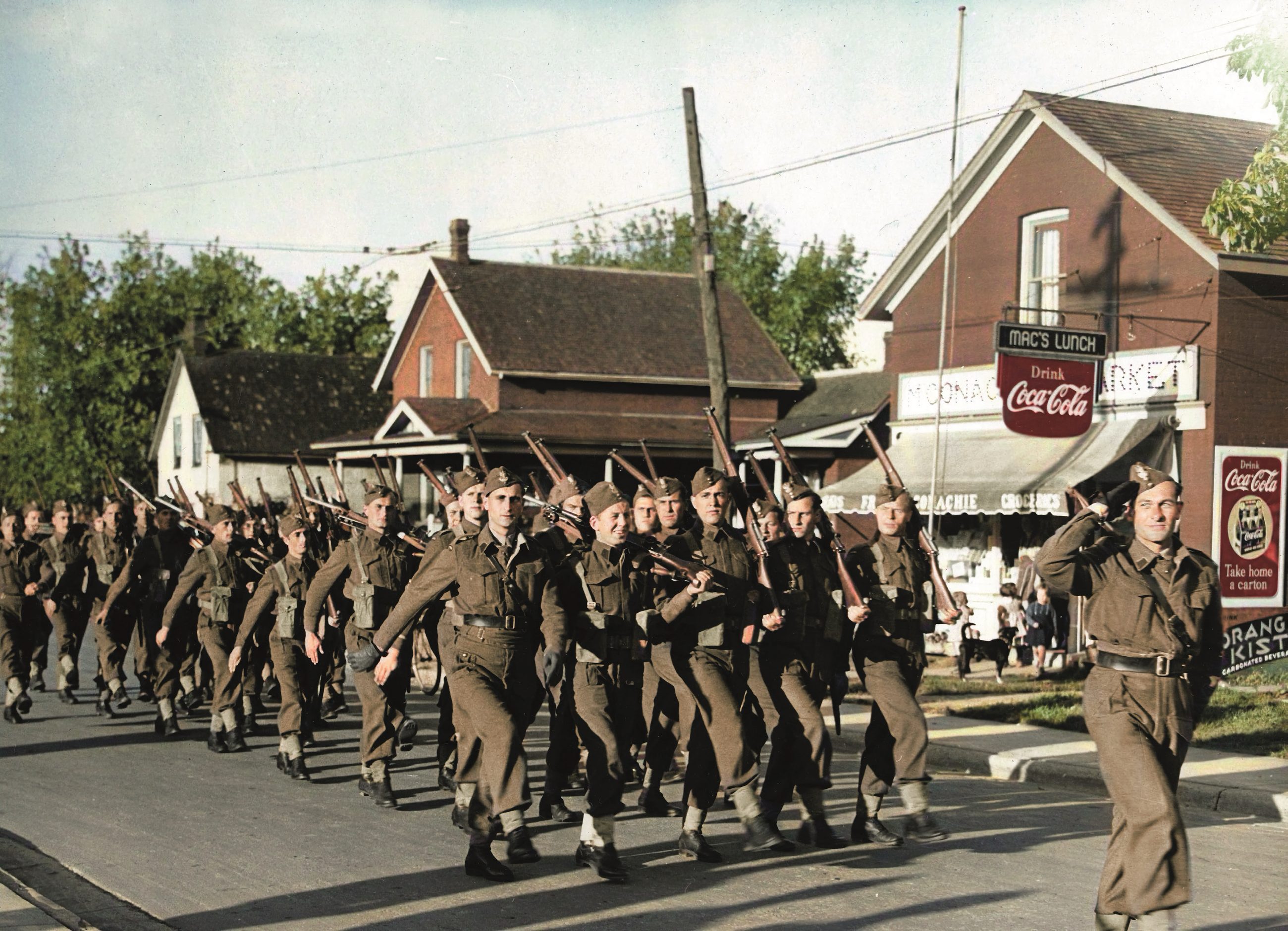
At Camp Kościuszko in Owen Sound, Ontario, 902 Polish volunteers trained between 1941 and 1942, quartered in a disused furniture factory. Officers billeted with local families; households took to inviting a soldier home for Sunday dinner.
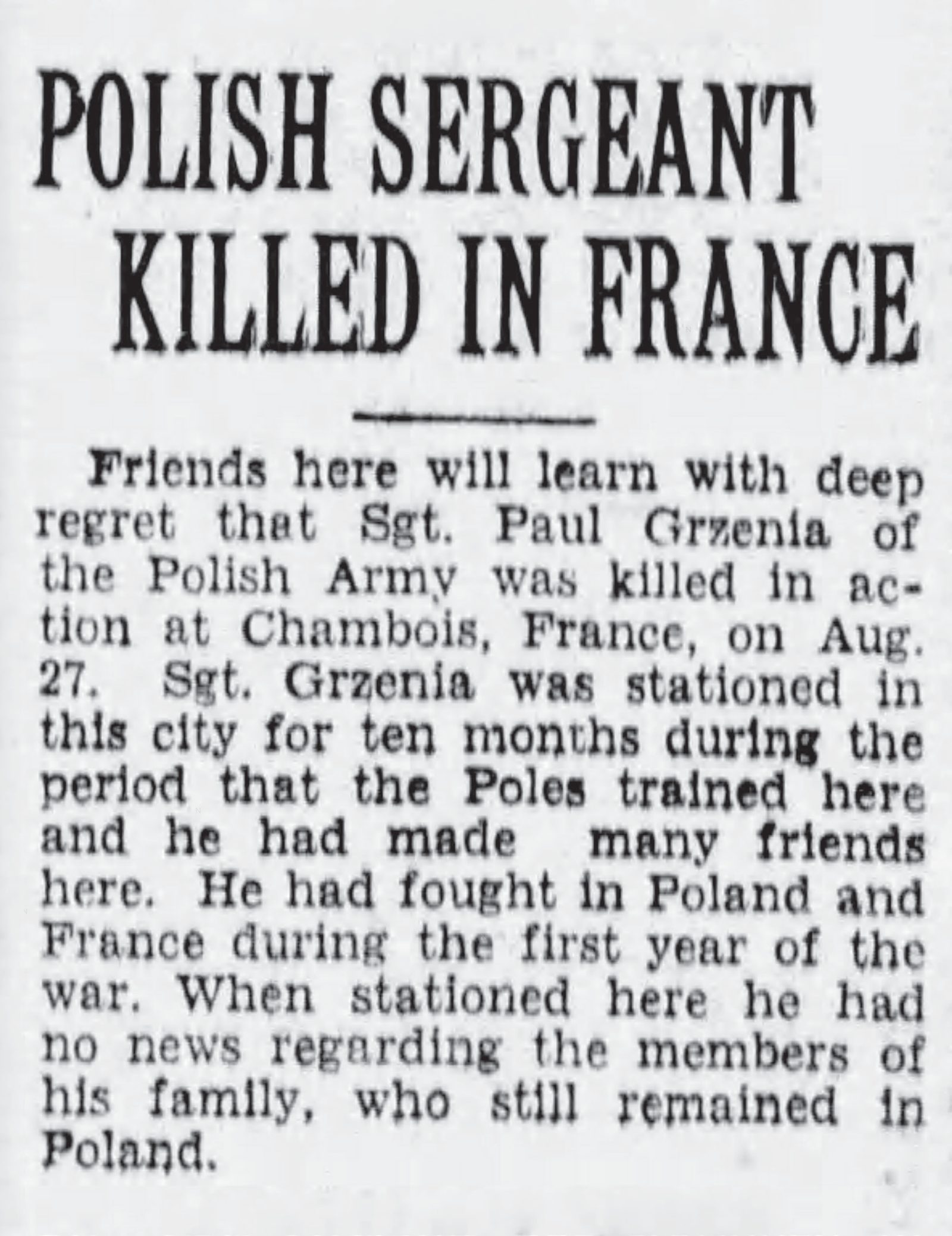
Sgt. Paweł Grzenia - or “Paul”, as he was known to the residents of Owen Sound - was killed fighting at Chambois on 27 August 1944. The local newspaper ran an article mourning his death, noting heʼd made many friends during his short stay in Canada.
“I often wondered whether these men from beside a Canadian lake would prove as brave as those others — from the Warta, the Vistula, the Niemen. And those men were not merely brave. They were heroic. They were given to Poland unto life and death.”
Chapter 5 of 9
SUPERSONIC PARTNERSHIP
THE AVRO ARROW AND ITS POLISH PILOTS
On 25 March 1958, Janusz Żurakowski — a Battle of Britain fighter pilot, decorated with the Virtuti Militari — took the controls of the Avro Canada CF-105 Arrow for its maiden flight over Malton, Ontario. It was Canada's most ambitious postwar aerospace project: a supersonic interceptor built to defend North American skies. Żurakowski flew it to Mach 1.89; Władysław “Spud” Potocki — a fighter ace of the Polish squadrons in the RAF — later pushed it to Mach 1.98. In addition, in 1952, Żurakowski became the first person in Canada to break the sound barrier.
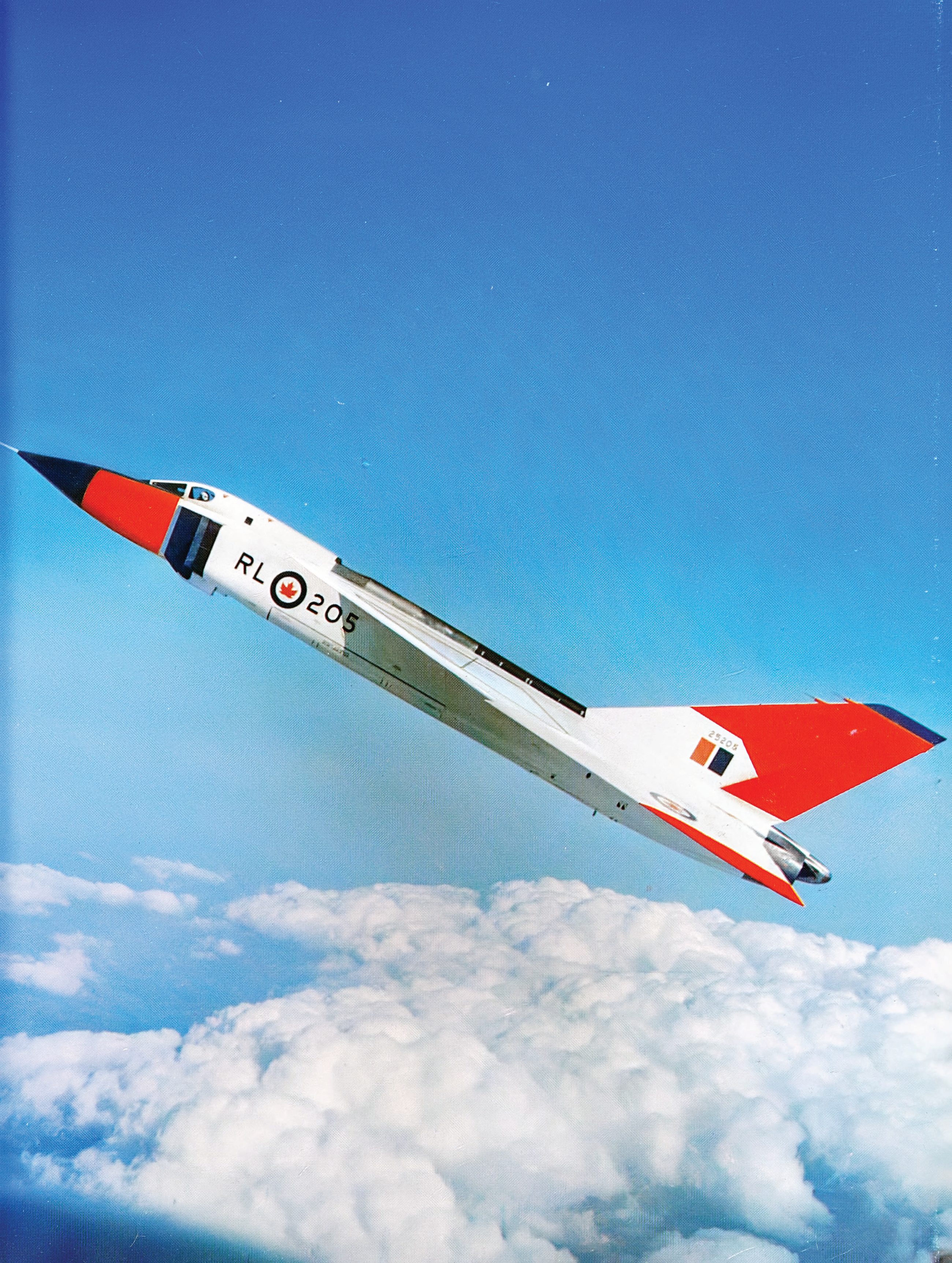
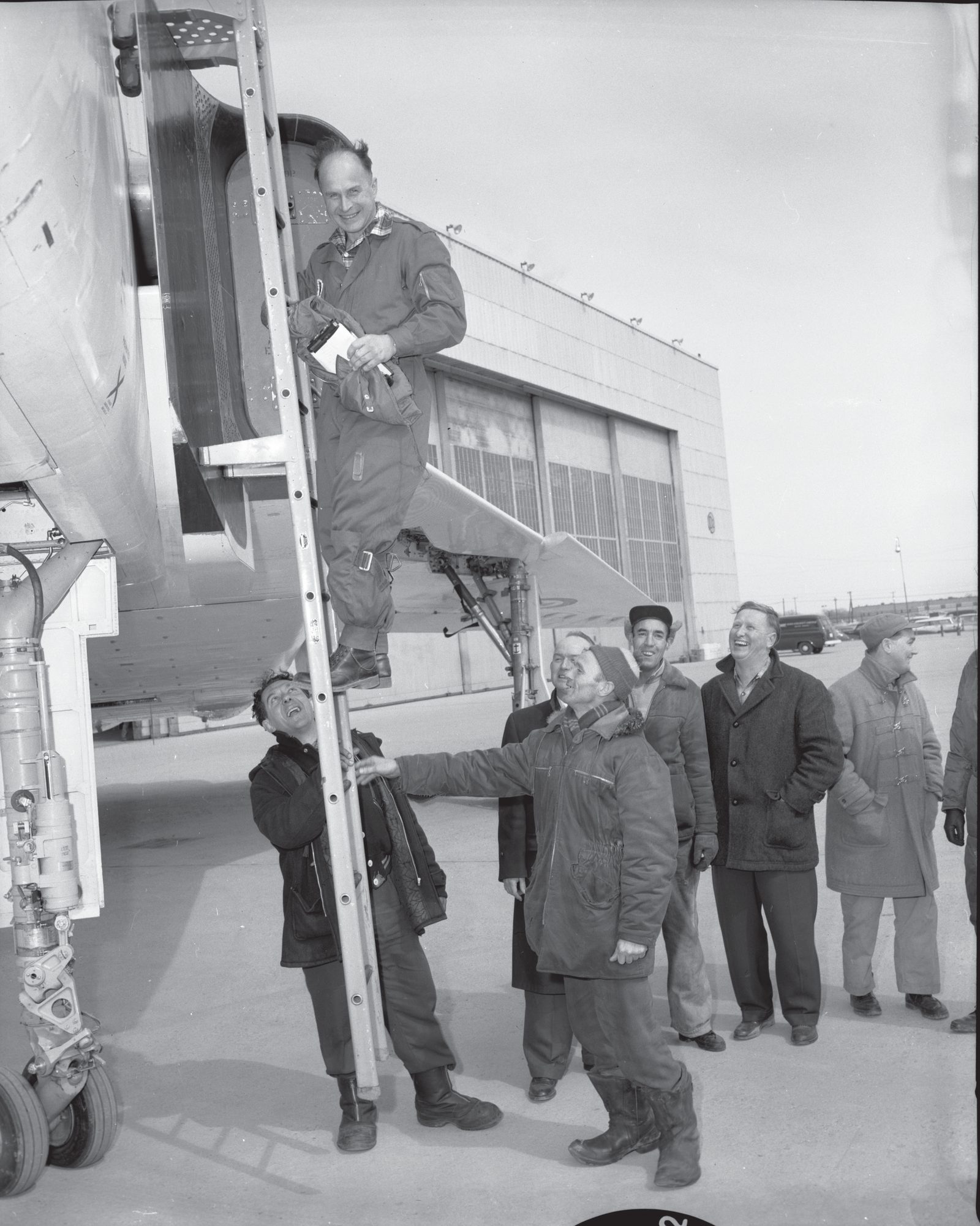
When the program ended in 1959, both men had already secured their place in Canadian aviation history — the most visible of a generation of Polish-born airmen and engineers who helped build Canada's aerospace and defence industry. Żurakowski was inducted into Canada's Aviation Hall of Fame, and a park bearing his name, with a full-scale Arrow replica, now stands in Barry's Bay, Ontario.
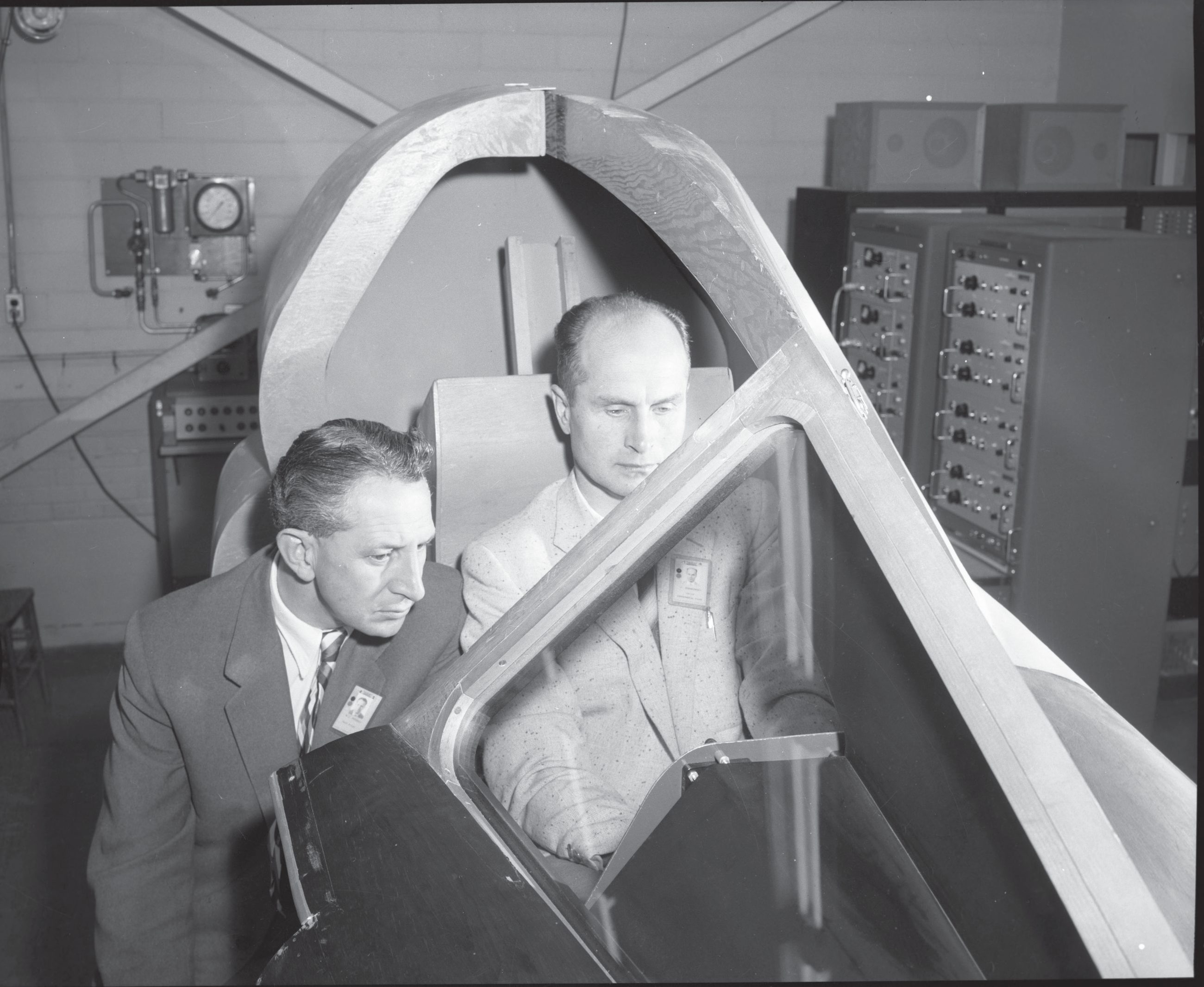
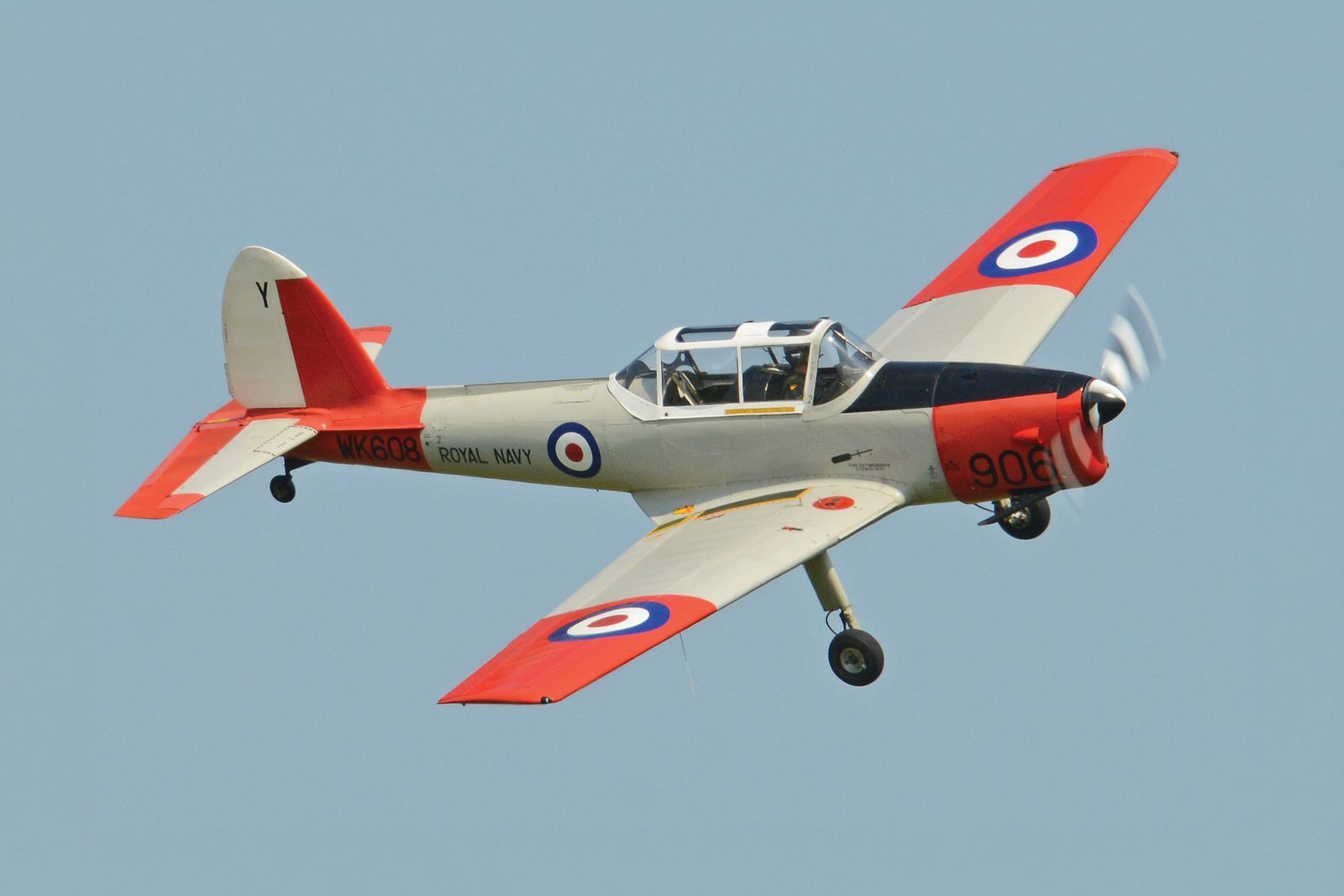
Another Pole whose name has gone down in Canadian history is Wsiewołod Jakimiuk, the designer of the Chipmunk aircraft. It was the first postwar model manufactured in Canada, and it featured many innovative solutions compared to other training aircrafts in widespread use at the time.
Chapter 6 of 9
1998INTO THE ALLIANCE
CANADA AND POLAND'S ACCESSION TO NATO, 1998–99
On 2 February 1998, Canada became the first allied country to ratify the accession of Poland, Hungary and the Czech Republic to NATO. Poland formally joined the Alliance on 12 March 1999 — with the Czech Republic and Hungary, the first former Warsaw Pact states to do so.
It marked Poland's definitive return to the community of Western democracies, and laid the foundation for the deepening defence partnership between the two countries that continues today.
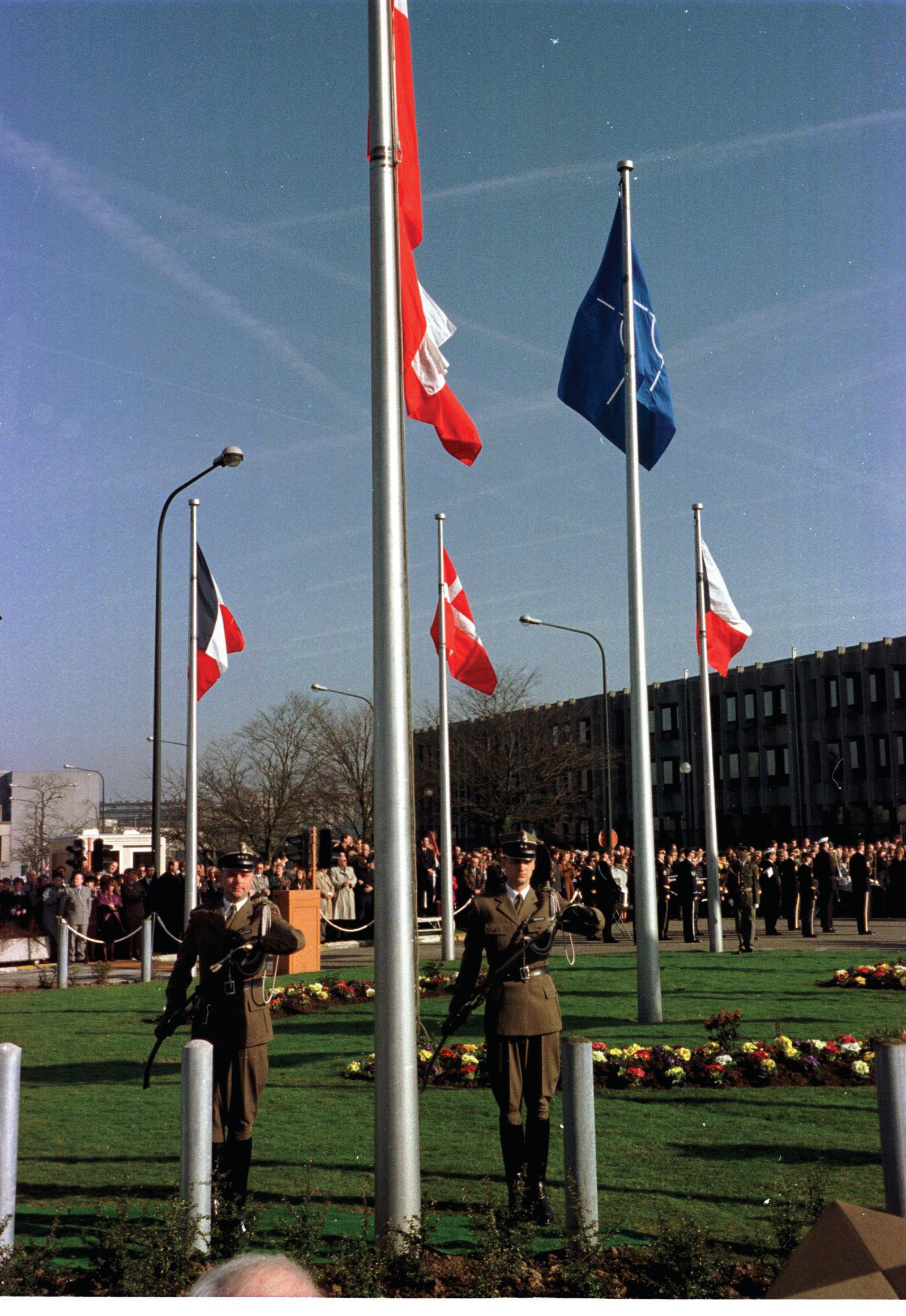
“On January 25, 1999, Aleksander Kwaśniewski, President of the Republic of Poland, received Canadian Prime Minister Jean Chrétien at the Presidential Palace. At the start of the meeting, Aleksander Kwaśniewski thanked the prime minister for Canada being the first NATO member country to ratify the expansion of the Alliance.”
Chapter 7 of 9
BROTHERS IN ARMS TODAY
AFGHANISTAN
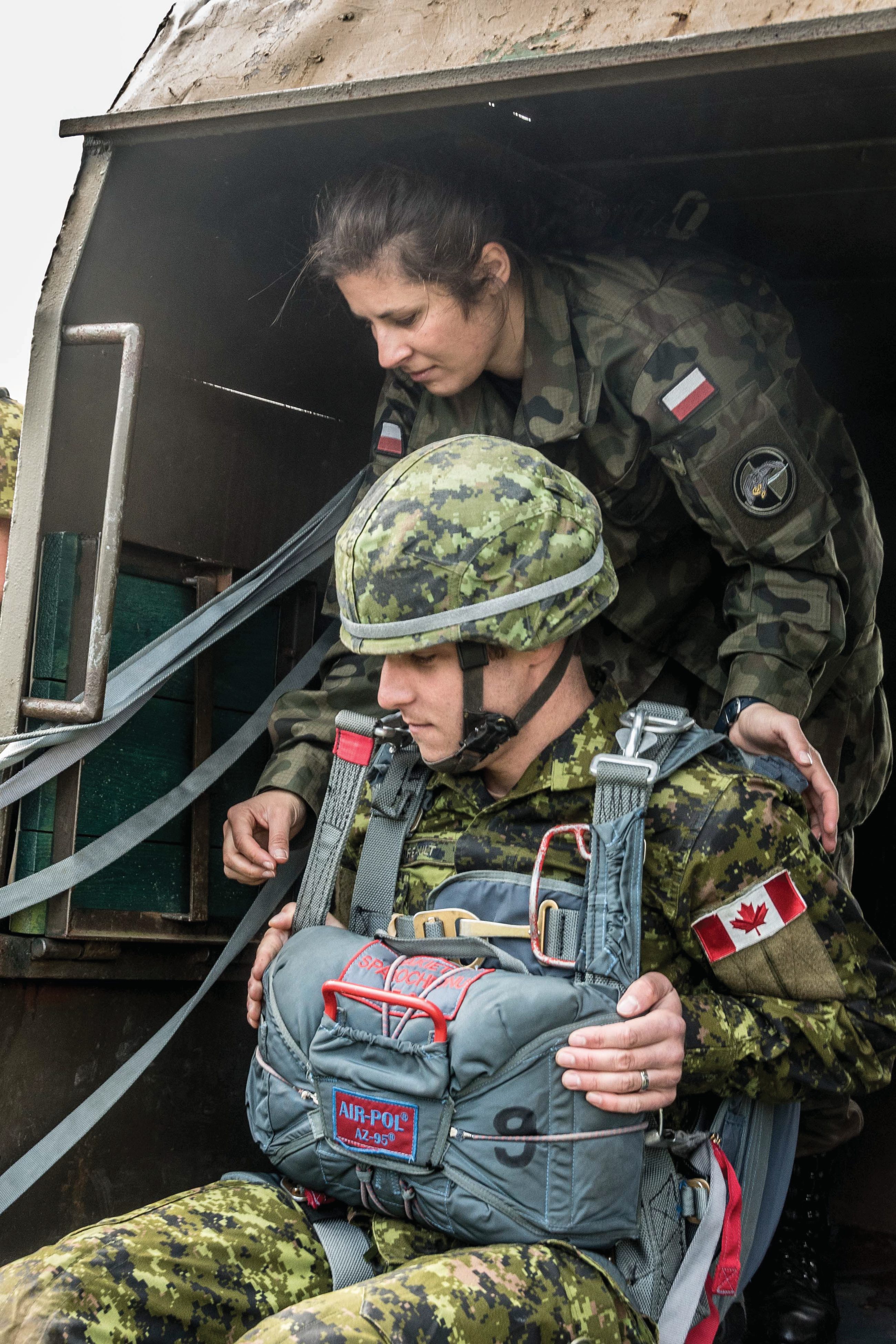
In Afghanistan, Canada and Poland each took on some of NATO's hardest assignments. Canada led combat operations in Kandahar, while Poland deployed forces to Ghazni Province and special operations forces to Kandahar. More than 40,000 Canadian Armed Forces members and over 33,000 Polish soldiers and defence personnel served in Afghanistan.
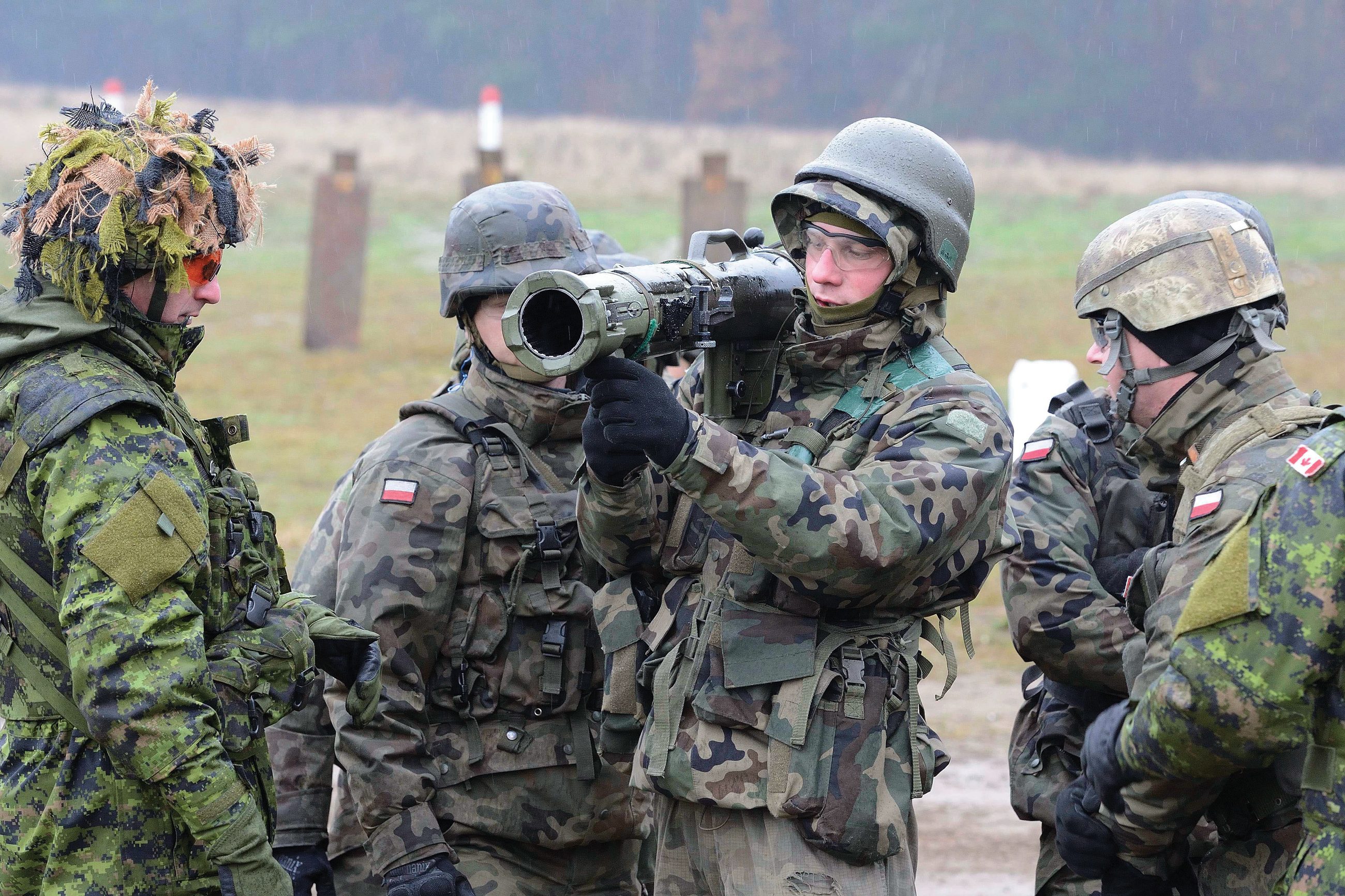
The mission cost the lives of 158 Canadian Armed Forces members and 43 Polish soldiers. In 2008, when Canada sought greater allied support for operations in Kandahar, Poland publicly backed that call and pledged helicopters to help strengthen NATO's mission.
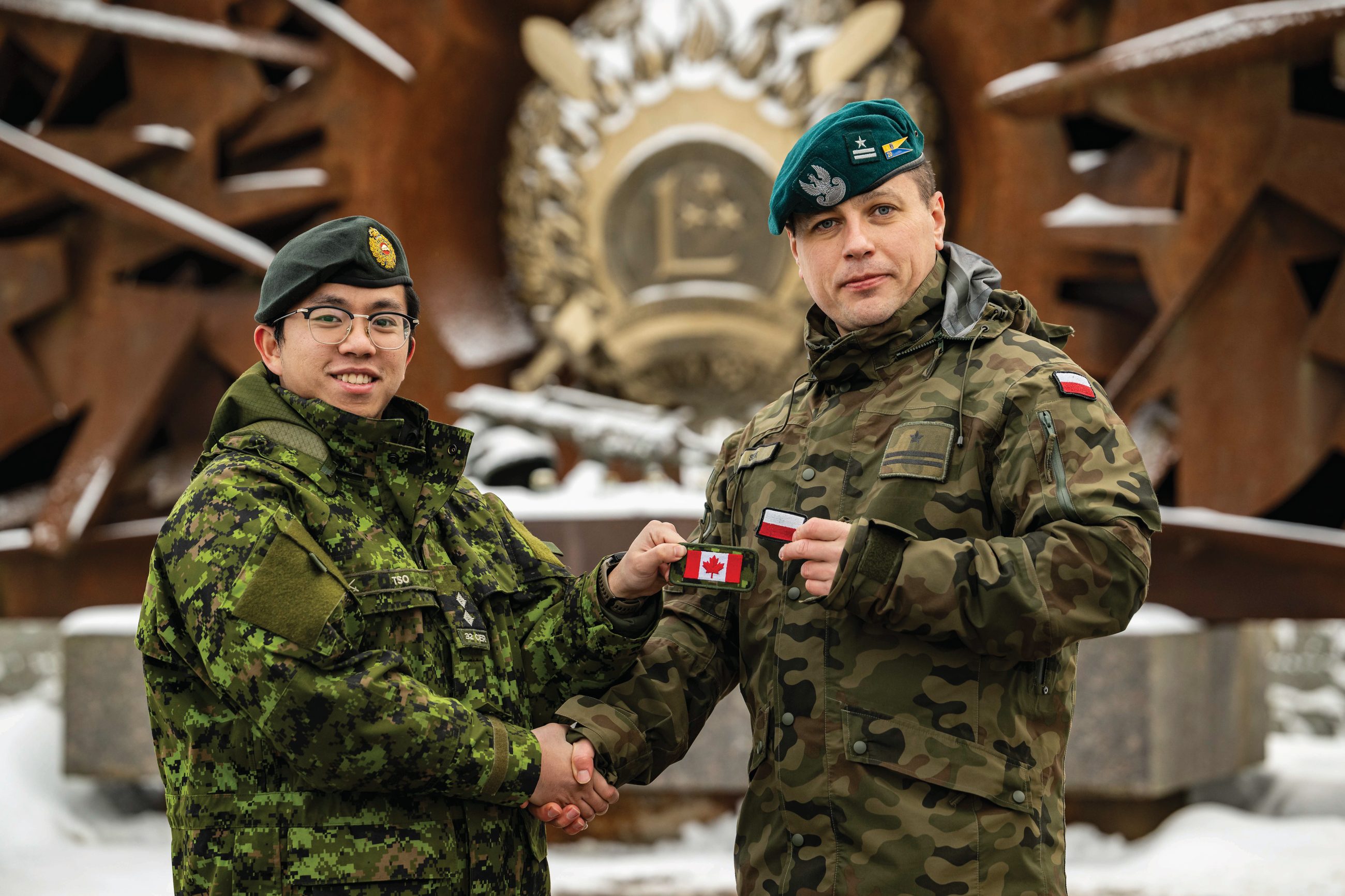
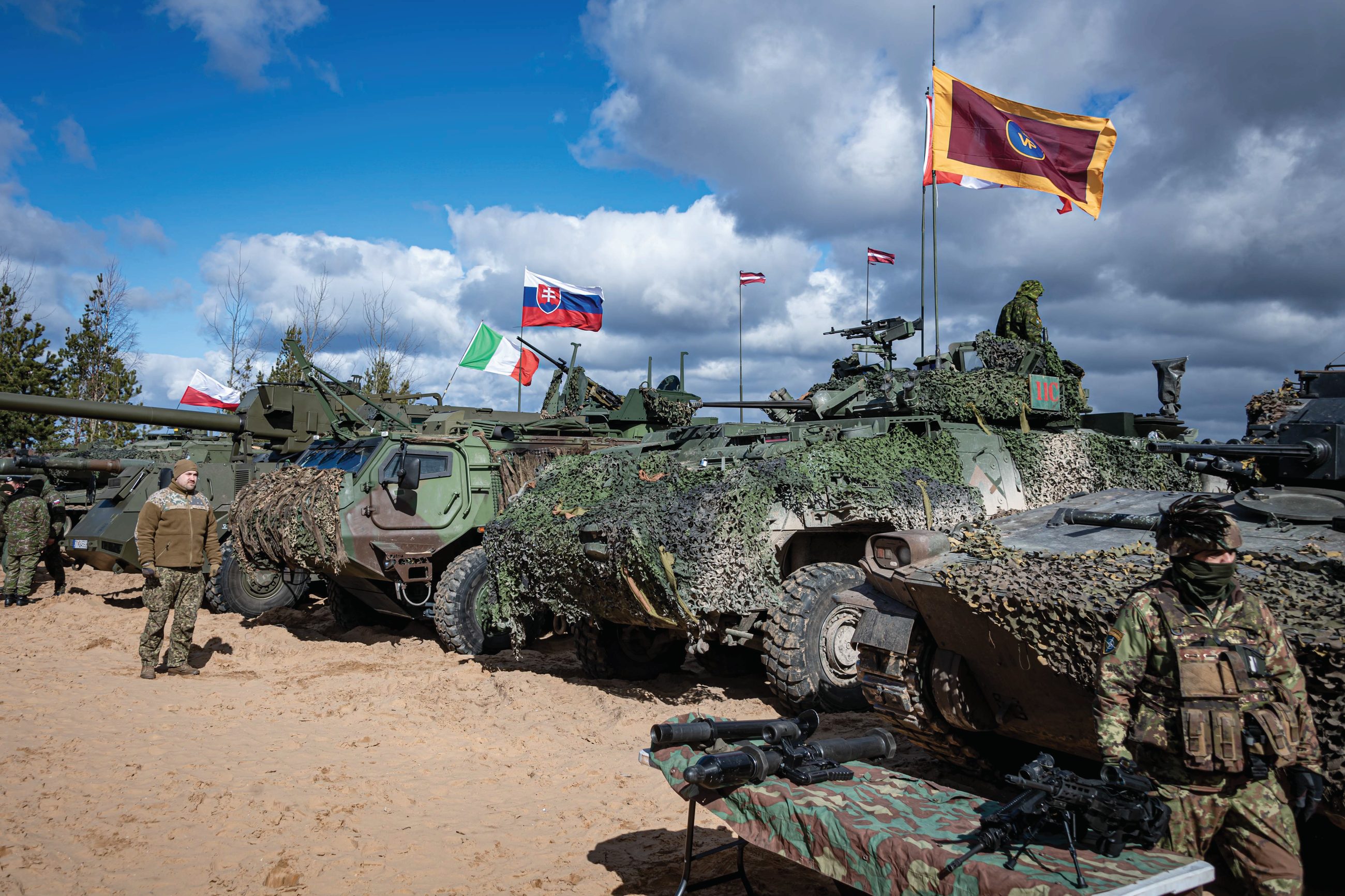
Today, the two armies stand in the same formation. Canada's first deployment under Operation REASSURANCE in 2014 was a land task force based in Poland. Op REASSURANCE has since grown into the Canadian Armed Forces' largest overseas operation, with Canada serving as the framework nation for NATO Multinational Brigade Latvia, which reached full operational readiness in 2026. Poland serves alongside Canada in that brigade, contributing a mechanized company, specialized troops and headquarters staff to a formation that brings together fourteen NATO nations.
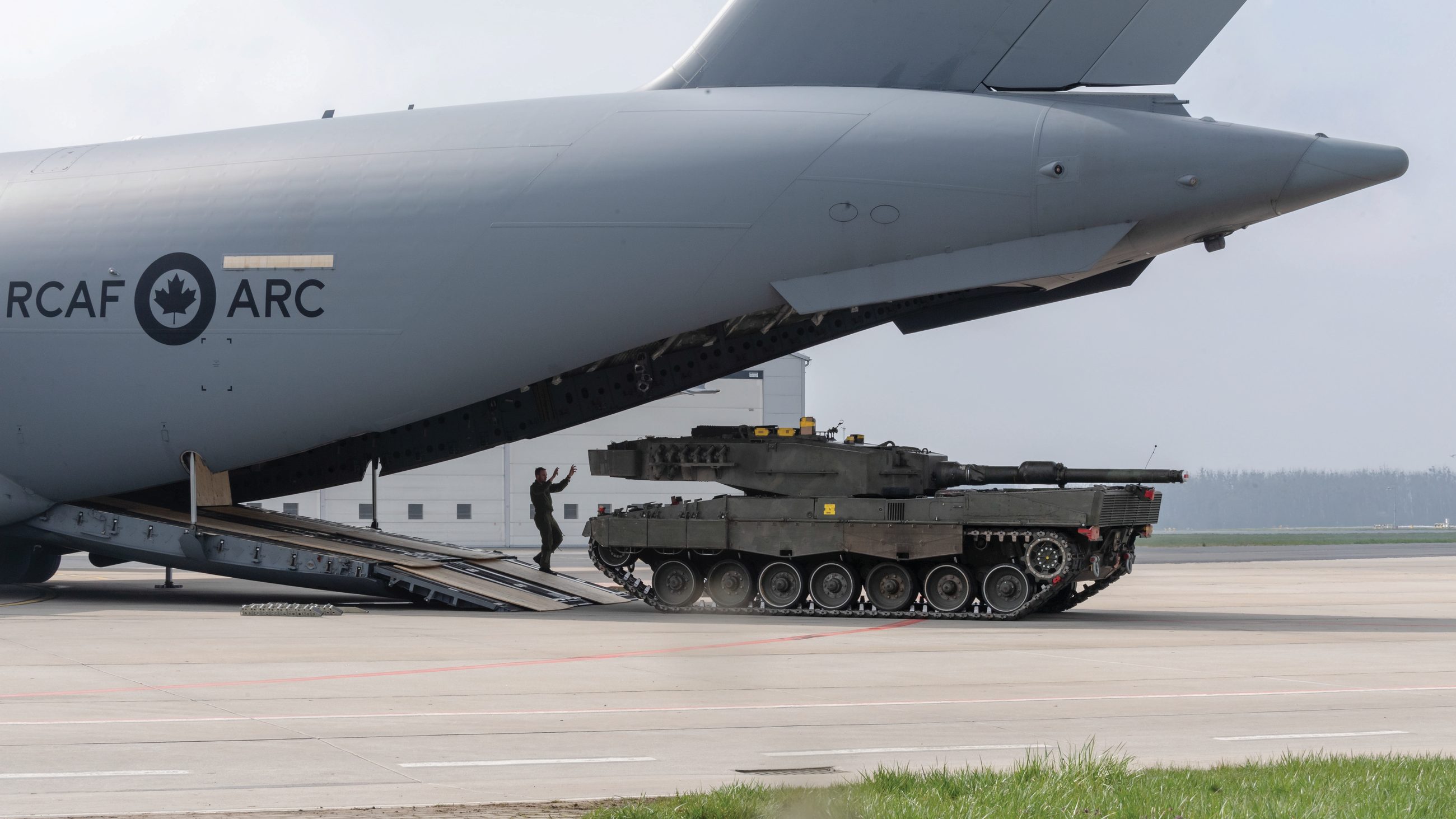
Poland is central to Canada's support for Ukraine through Operation UNIFIER, the Canadian Armed Forces mission established in 2015. From its support and coordination elements in Poland, the mission enables training for Ukrainian personnel across Europe and facilitates the movement of military assistance to Ukraine.
So far, in 2026 alone, CAF personnel supported the transfer of approximately 10 million kilograms of donated equipment through Poland's logistics network. Poland's enduring partnership and support provide the foundation that enables Canada to sustain and adapt its assistance to Ukraine in response to evolving needs.
Chapter 8 of 9
SHARED INDUSTRY
A TWO-WAY RELATIONSHIP
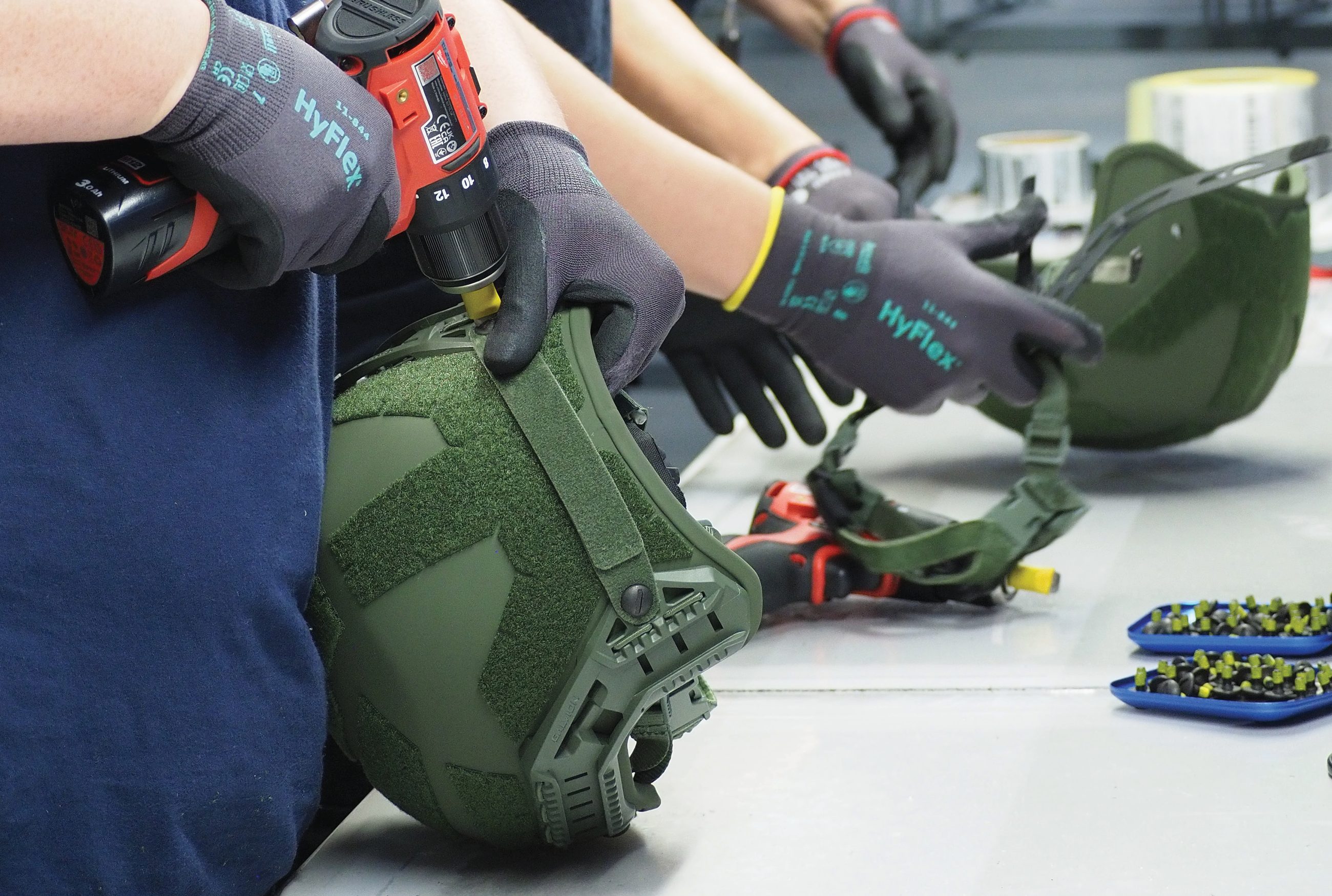
Canada and Poland are deepening two-way defence industrial cooperation. More than 60 Canadian companies have invested in Poland, employing over 17,000 people, with many of these jobs in aerospace and defence. Polish aerospace exports are key to Canadaʼs civilian and defence sectors, and Polish TNT is a critical input for ammunition produced in Canada.
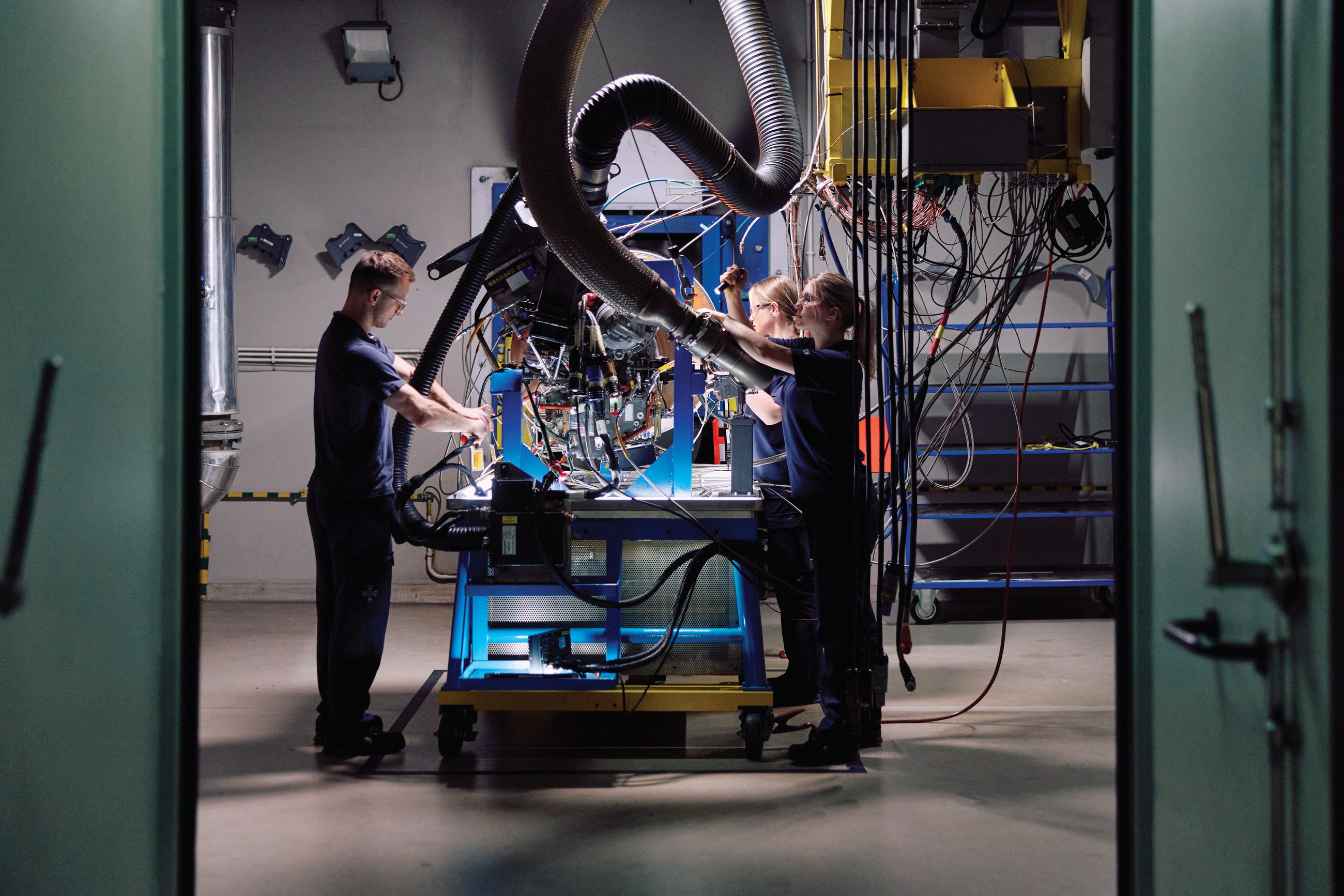
In February 2026, Canada became the first non-European country to join the EUʼs €150-billion SAFE defence financing instrument. Poland, its largest recipient with €43.7 billion allocated, and Canada now have new opportunities to pursue joint procurement, combine industrial capabilities and expand defence production. In May 2026, our governments signed a Letter of Intent to advance cooperation between Canadian and Polish defence industries.
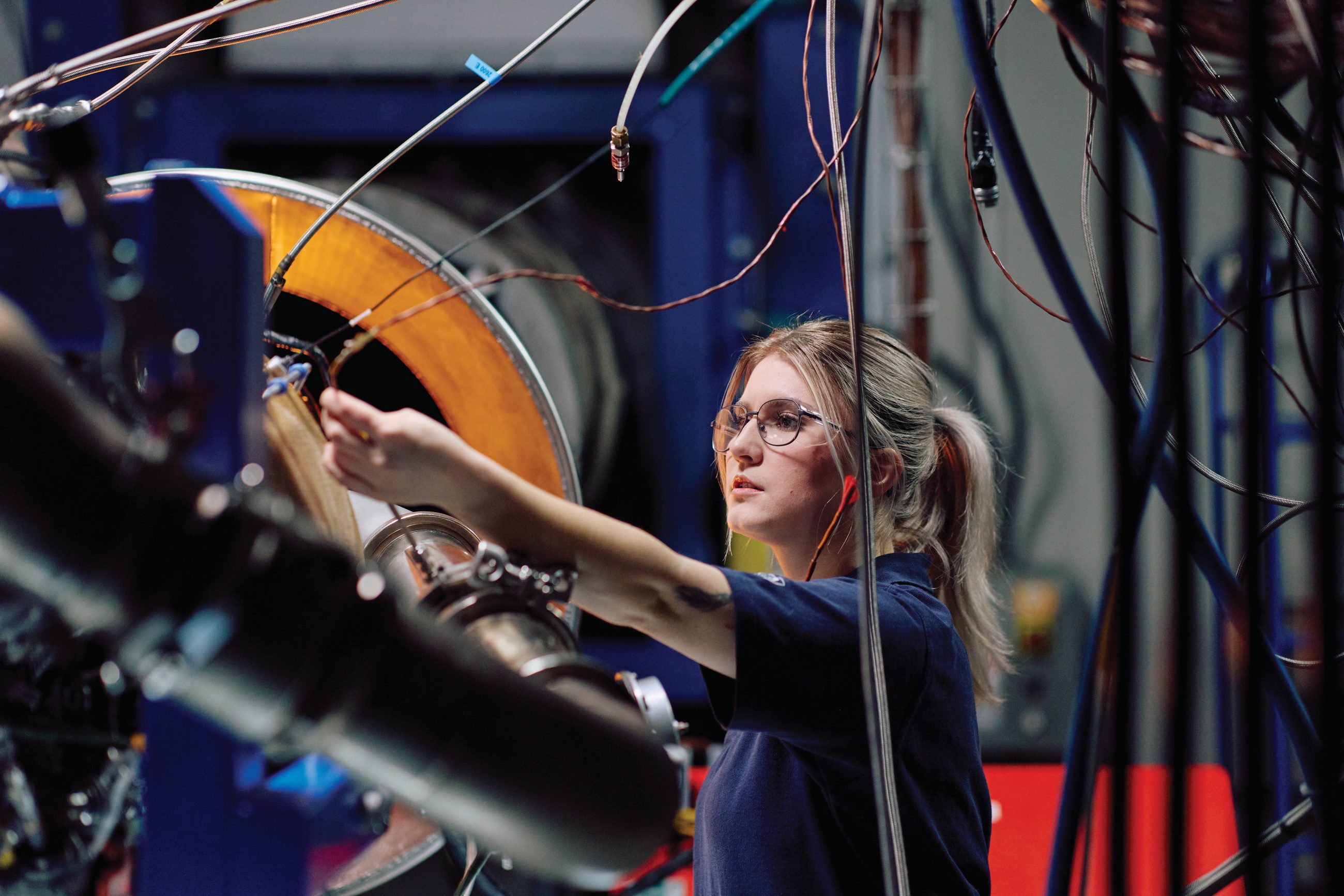
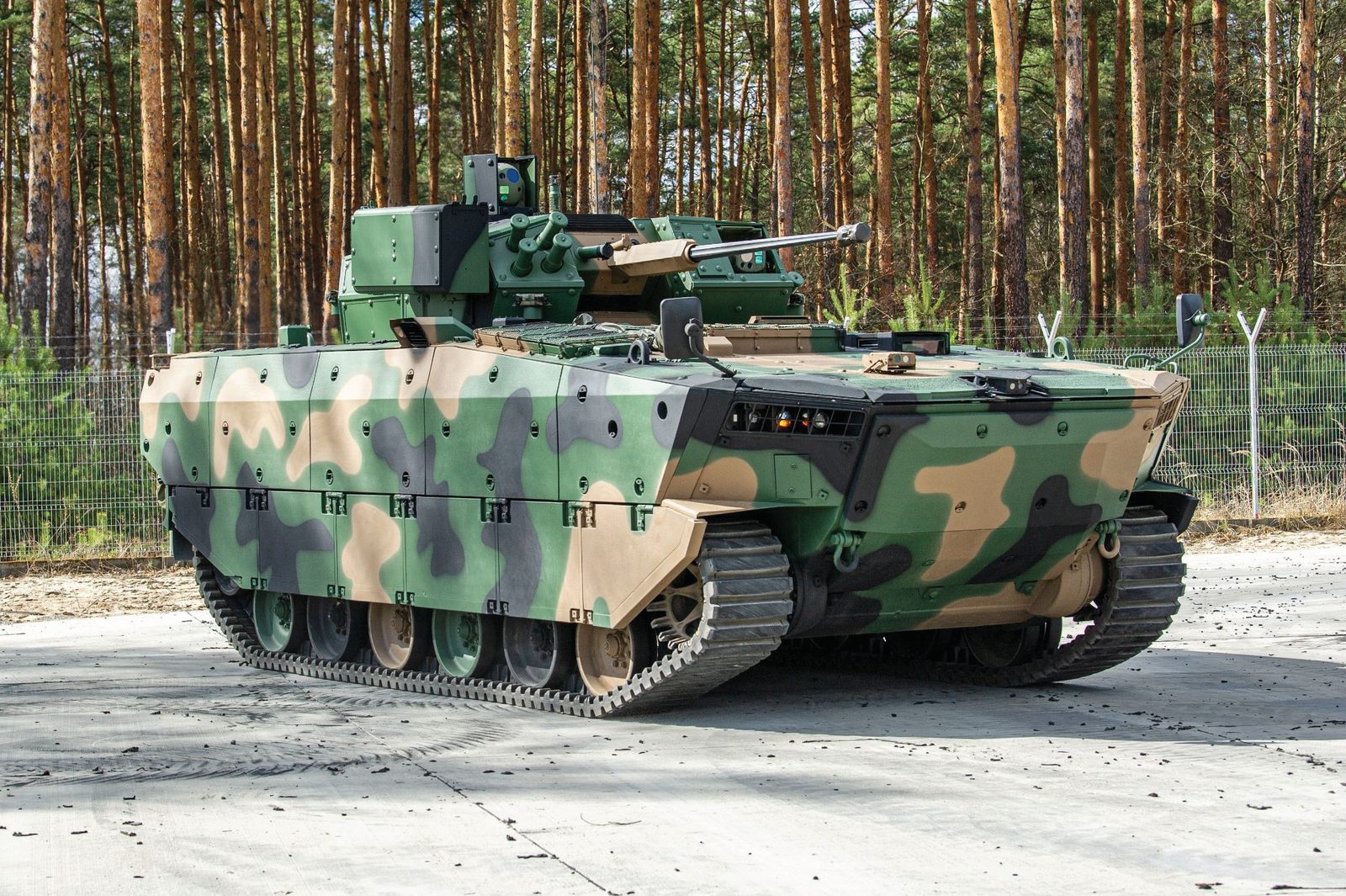
Canada is honoured to serve as Lead Nation at MSPO 2026, 10 years after the first Canadian booth at MSPO 2016. This follows Poland's role as Spotlight Country at CANSEC 2026 in Ottawa, Canada's largest defence and security trade show.
Chapter 9 of 9
THANK YOU
THE COMMUNITY THAT CARRIES THE MEMORY
More than one million Canadians identify as being of Polish origin. Polish settlement in Canada began in 1858, when settlers from Kashubia arrived in the Madawaska Valley. Later waves of immigration — before and after the world wars, during the “Solidarity” era, and after 1989 — continued to shape the community while preserving Polish culture, traditions, and historical memory.
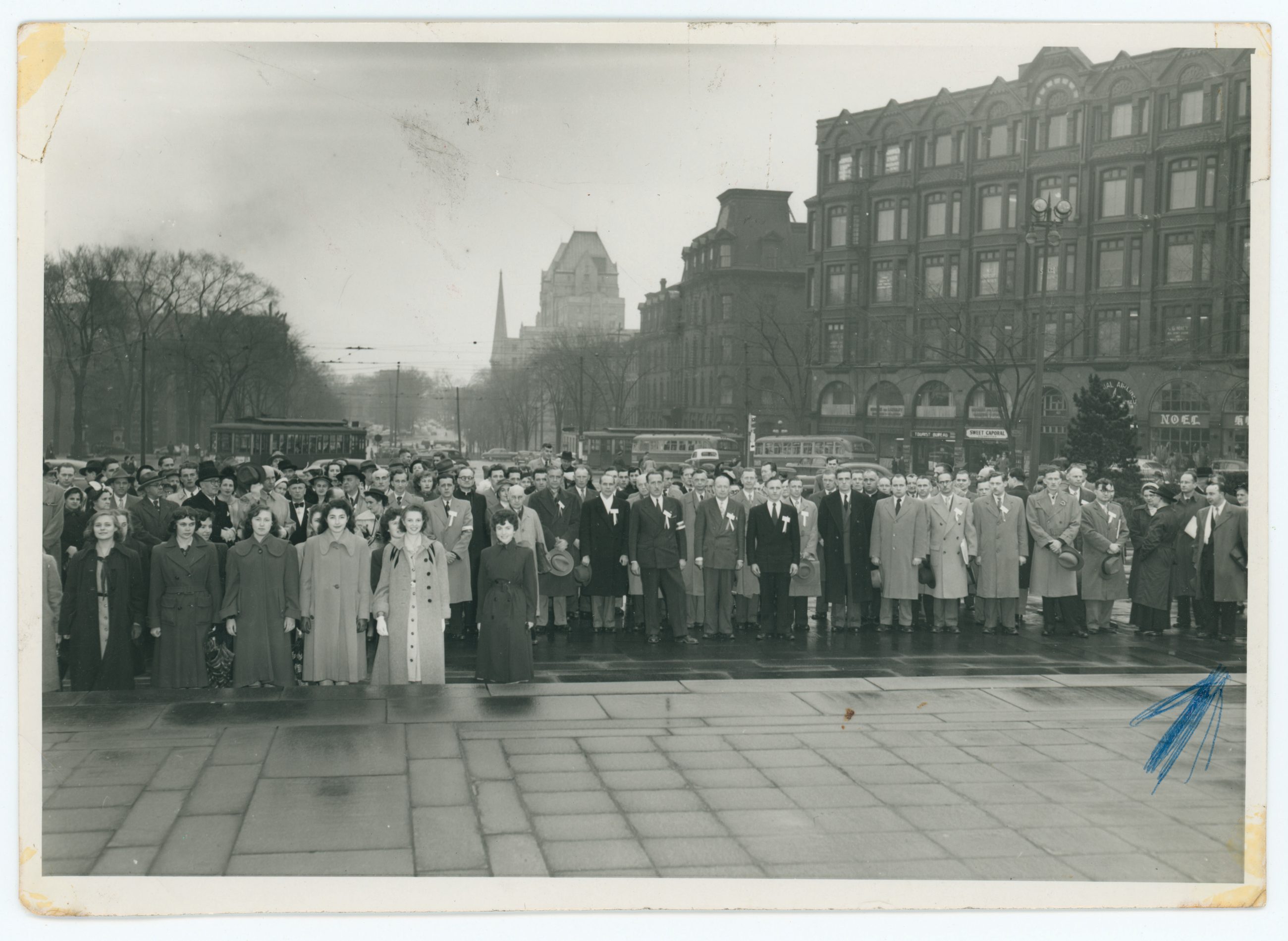
The Polish Combatantsʼ Association (Stowarzyszenie Polskich Kombatantów) was founded in 1946 on the initiative of demobilized soldiers of the Polish Army who, after World War II, were unable to return safely to their homeland. SPK branches in Canada helped Polish veterans find jobs, obtain government assistance, and start new lives.
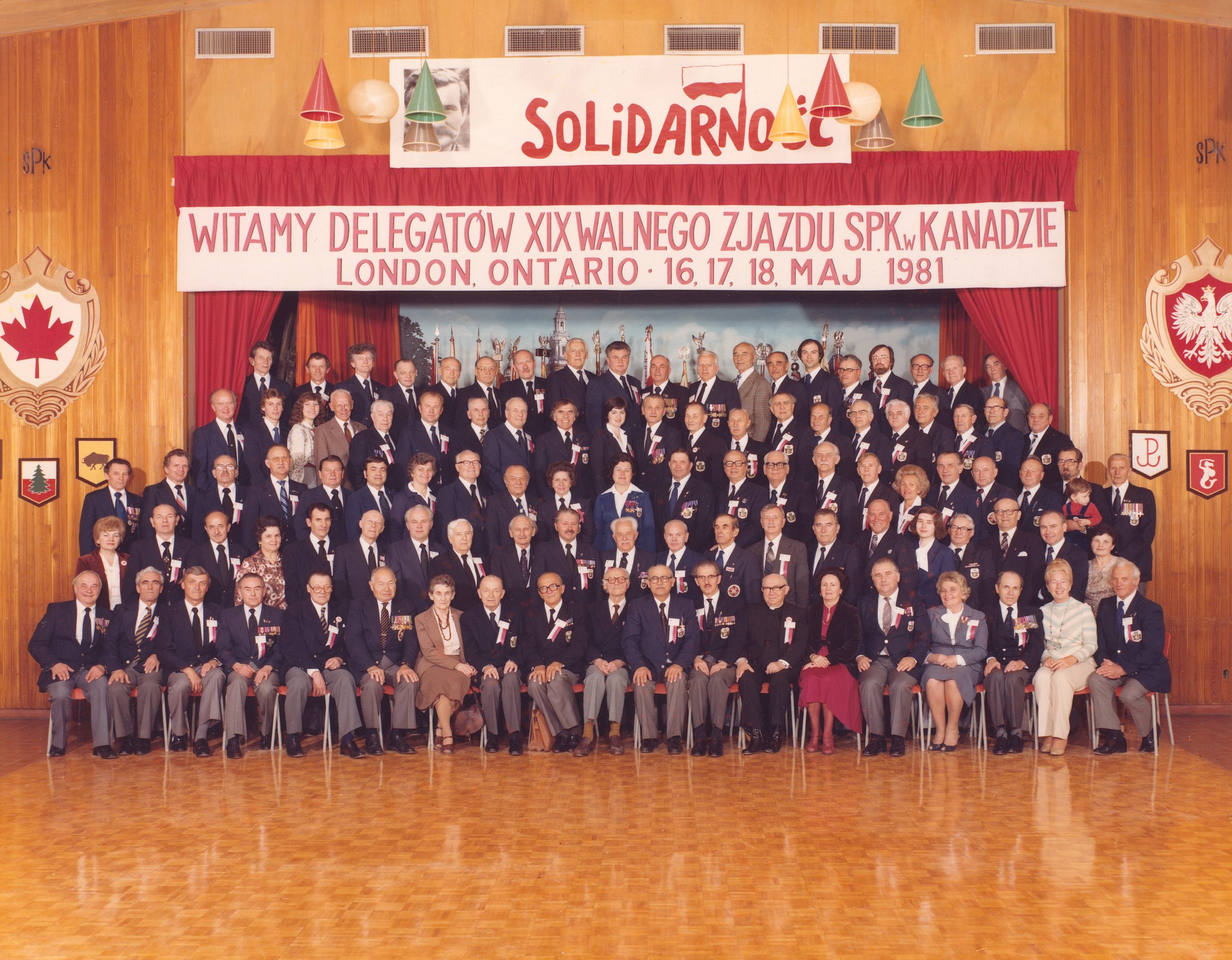
From the very beginning, SPK has defended the good name of Poland and Poles and has supported Polish education, youth, and Polish community organizations. Today, it cultivates the traditions of the Polish military, preserves the memory of Polish-Canadian veterans, and actively participates in the life of the Polish community in Canada.
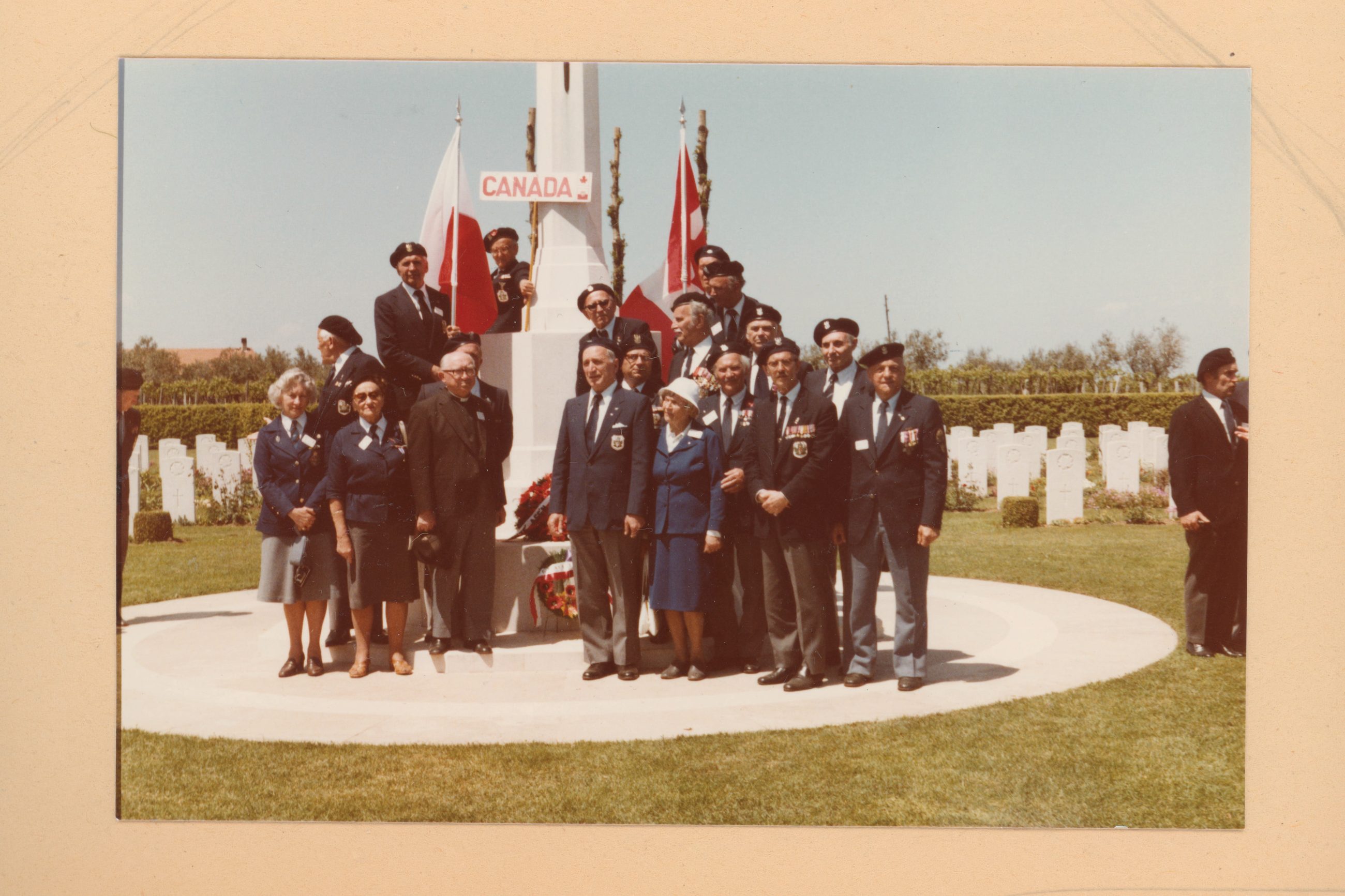
Founded in 1933, the Canadian Polish Congress (Kongres Polonii Kanadyjskiej) is the national voice for Polish Canadians — uniting community organizations across the country into a single, unified body. The KPK advocates for the Polish-Canadian community, strengthens ties between Canada and Poland, and promotes Polish culture, heritage, and historical memory.
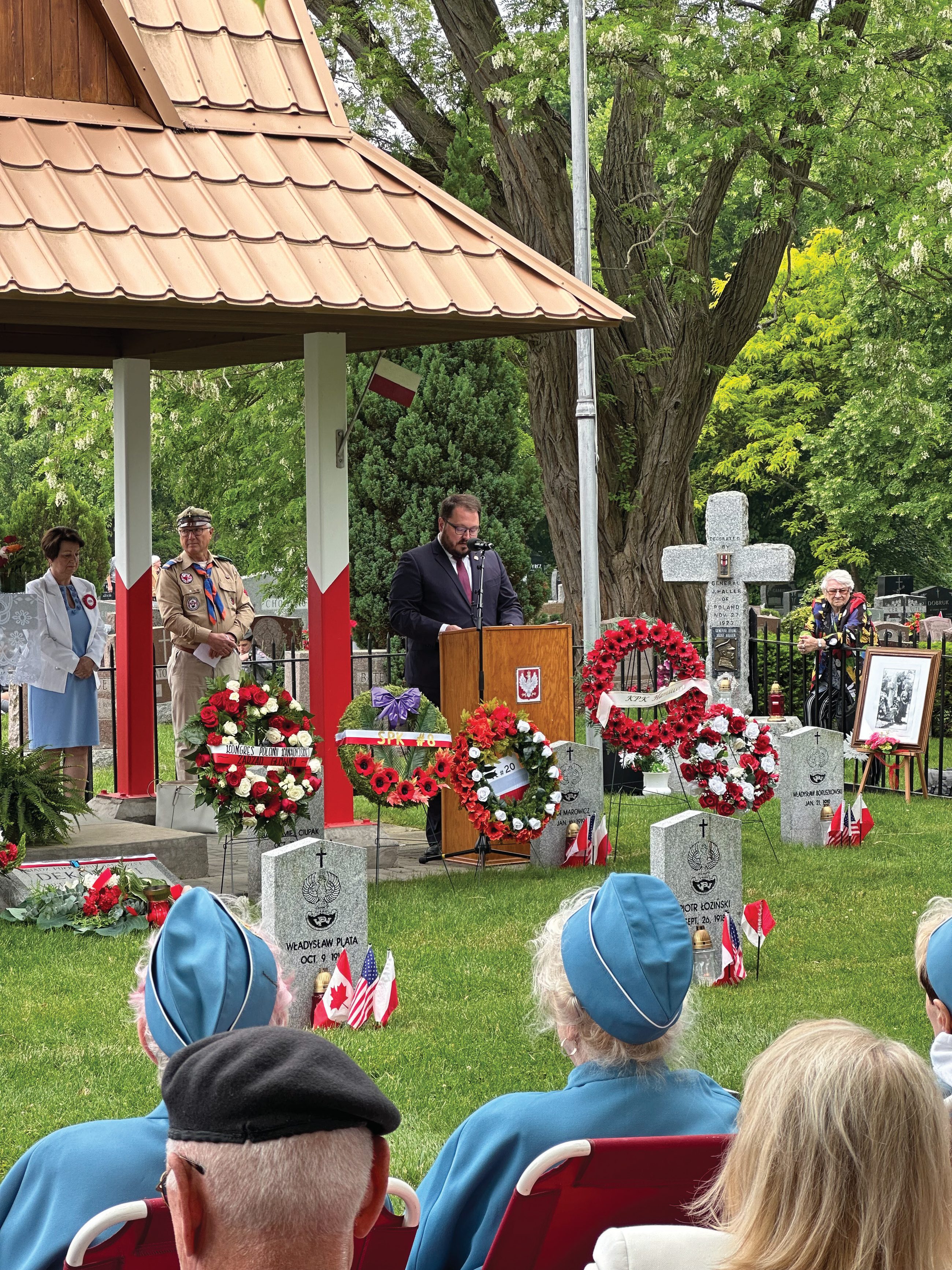
Through its national leadership, regional branches, and member organizations, the Congress works with governments in both countries, supports cultural initiatives, engages younger generations, and commemorates key moments in Polish and Polish-Canadian history.
This exhibit was assembled by that community, mostly from its own archives. The men and women in these photographs were our members; several of the objects were carried home by them. A hundred years of brothers in arms is not only a matter of governments — it is also a matter of the families who kept the photographs.